The ABCs of SOC 2 Compliance: What is Means for Your Business
[
26 Dec 2025
]
By
Cariel Cohen
What is SOC 2compliance, and what does it mean for your company? Find out with our handyguide to SOC 2 compliance for overviews, requirements, and more.
The SaaS industry hasbecome the largest and fastest-growing market since 2019. Combined, all theSaaS organizations earned morethan $250billion in 2025. These days businesses are spending 50% more on SaaS techand continue to rely on them more and more every day.
So you're a businessowner, or just starting up in the SaaS industry. You're looking for the best,current software to protect you and your clients but either you're not surewhat to look for or what you're currently using has proven to be unreliable.
Using the wrong formof cyber security can lead to a slippery slope that none of us wants to godown. Thankfully, there's SOC 2 compliance. What exactly is SOC 2 compliance?Keep reading because it is definitely a lifesaver.
What Is SOC 2 Compliance
SOC 2 compliance ispart of the American Institute ofCPAs Service Organization Control") (AICPA) Service OrganizationControl reporting platform. It's not a list of controls, tools, or processes,instead, it simply reports the required security information to make sure it'sup to standards when your business is being audited.
What are the five trust services criteria in SOC 2?
The five trustservices criteria are security, availability, processing integrity,confidentiality, and privacy, defined by the AICPA’s trust services criteriaand used to evaluate organization’s data security controls.
What is the role of a third partyauditor in SOC 2?
A third party auditorevaluates your internal controls, design and operating effectiveness, andissues a SOC report or type II report based on testing.
SOC 2 Compliance Checklist
If your business isSOC 2 compliant it means that the 5 Trust Service Principles are efficientlyeffective. The 5 Trust Service Principles are Privacy, Security, Availability,Confidentiality, and Processing Integrity. This is also known as the SOC 2 compliancechecklist.
Privacy
The privacy sectionnotes that your systems collection, use, and disposal of private, personalinformation follows not only your business's privacy notice but also thecriteria outlined in the AICPA privacy principles.
Personal informationis anything that can identify a specific individual, like an address or socialsecurity number. Information like race, sexuality, and religion are alsoconsidered sensitive and need to be properly protected.
Security
Security refers to theprotection of your business from sources that do not have permission to enter.For example, hackers. You can ensure the right security measures are in placethrough firewalls, two-factor authentication, and several other forms of ITsecurity. SOC 2 compliance makes sure all these are in place.
Availability
Availability makessure that all your business's system functions, products, and services areaccessible at all times. Usually, these terms are agreed on by both parties.
Availability doesn'tfocus on functionality and usability. It focuses on security-related criteriathat could affect availability. Making sure your network is always online, andhandling security incidents are key to ensuring top-rated availability.
Confidentiality
Confidential data isinformation that only specific people within a company are allowed to see. Thisseems similar to 'privacy' but while privacy protects the personal informationof everyone, confidentiality ensures that, for example, students can't get intoa professor's class syllabus and find answers.
Encryption is animportant control for protecting confidentiality. Network and applicationfirewalls, with in-depth access controls, are vital to ensuring confidentialinformation remains in the hands it's meant for.
Processing Integrity
The processingintegrity principle notes if whether or not your system achieves its purpose.For example, your business does and provides everything it says it will.
This means that allthe other security principles fall under this as well. Having processingintegrity up to standards ensures your business checks off all the other boxes.Monitoring of data processors and consistent quality control procedures canhelp maintain PI.
Security Comes First
Now you're aware ofwhat SOC 2 requirements are and how using SOC 2 compliance benefits yourbusiness. To continue to be trusted by your clients and to gain more clientsfor the future your security must always be reliable and get good grades whenaudit time comes.
At Penti, we know thateach business is different, and SOC 2 compliance adapts to all types. Learn more about our SOC 2 compliancepenetration testing services.
For more importantinformation on cyber security and SOC 2 and how it can specifically help yourbusiness or start-up, visit our website and schedule a call.
FAQ
What does “design and operating effectiveness” mean?
It means your security controls are properly designed and operating effectively, proven through testing, internal assessment, and audit report results.
How does SOC 2 relate to regulatory compliance?
SOC 2 supports regulatory compliance by documenting security criteria, risk management, and data security controls needed for standards like HIPAA and financial regulations.
What is a SOC 2 Type II report?
A type II report tests operational effectiveness over time, showing your existing controls work consistently, not just on paper.
What is the difference between SOC 2 and SOC 1?
SOC 1 focuses on financial reporting, while SOC 2 focuses on information security, data processing, and data security controls.
How does SOC 2 help SaaS companies?
SOC 2 strengthens security posture, supports vendor management, and provides a competitive advantage by proving controls comply with trust services criteria.
How does SOC 2 address data breaches?
SOC 2 requires documented security incident handling, security controls, and testing to reduce risk of data breaches and protect sensitive customer data.
What is the importance of vendor management in SOC 2?
SOC 2 requires business partners, service providers, and third party vendors to meet security criteria through contracts and service level agreements.
What is a SOC report used for?
A SOC report proves your organization’s ability to protect customer data, client data, and protected health information using verified security controls.
How do physical access controls affect SOC 2?
Physical access restrictions in data centers prevent unauthorized entry, protecting sensitive data, confidentiality, and system processing integrity.
What does “availability processing integrity confidentiality” mean?
It refers to key SOC 2 principles ensuring systems are available, data is processed accurately, and confidentiality is protected.
What are the main SOC 2 risk management steps?
SOC 2 requires risk assessment, monitoring data inputs, system processing, and ongoing internal governance to reduce threats and improve security posture.
How often should SOC 2 be audited?
SOC 2 audits are typically annual, with continuous monitoring of security controls, internal controls, and system availability.
Can SOC 2 be applied to cloud providers?
Yes, SOC 2 covers cloud providers, web application firewalls, and security measures used to protect sensitive data and ensure system availability.
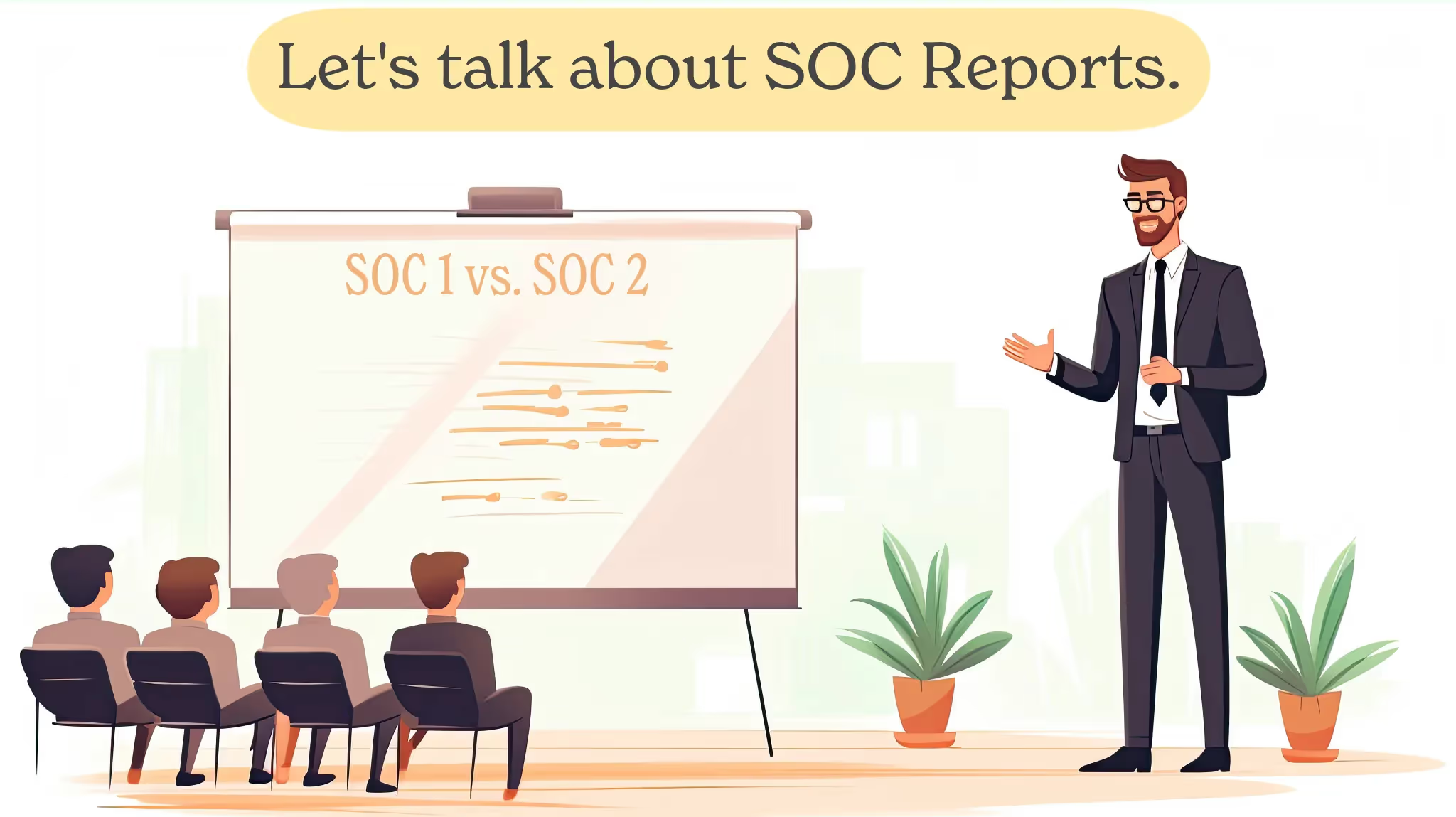
Many people scour the internet using the search term “SOC 1 vs. SOC 2 reports” when trying to understand compliance requirements for service organizations. To clarify, what is a SOC 1 and SOC 2 report? Broadly speaking, the difference between SOC1 and SOC2 lies in their focus areas and control objectives. SOC 1 Reports are designed for financial statement audits and focus on internal controls related to financial reporting. SOC 2 Reports are designed to evaluate a service organization's controls over non-financial information, such as data security, privacy, and confidentiality.
Key Differences Between SOC 1 and SOC 2
Understanding SOC 1 versus SOC 2 is critical for technology-based service organizations, cloud service providers, and HR management services. A SOC 1 report addresses financial controls, focusing on the design and operating effectiveness of service organization’s internal controls that impact a user entity’s financial statements. In contrast, a SOC 2 report examines trust services criteria—security, availability, confidentiality, privacy, and processing integrity—to ensure appropriate organization controls over customer data and information security.
The difference between SOC1 and SOC2 also extends to their use cases. SOC 1 is typically required when a company’s systems influence clients financial reporting, such as financial reporting software or financial operations systems. SOC 2 applies to a broader range of industries where demonstrating strong security controls, risk management processes, and data protection are key to regulatory compliance.
SOC 1 vs SOC 2 Audit Scope
A SOC 1 vs SOC 2 audit is performed to provide independent assurance of a service organization’s compliance status. External auditors assess whether appropriate controls are in place and operating effectively. A SOC 1 audit evaluates key control objectives related to financial reporting, while a SOC 2 audit measures a company’s information technology processes and adherence to the AICPA’s trust services criteria. Both a SOC audit performed for financial statements and a SOC 2 audit for organization’s security controls help service providers demonstrate compliance and provide digital assurance to their customers.
SOC 2 Deep Dive
However, it’s likely that if you’re searching “SOC 1 vs. SOC 2,” you are actually looking for the difference between the two types of SOC 2 Reports (i.e., “SOC 2 Type 1 vs. SOC 2 Type 2”). Because of this likelihood, we'll focus primarily on SOC 2 reports in this article, which is the second entry in Penti Knowledge Base Series.
SOC 2 reports assess compliance with the five Trust Services Criteria, namely: security, availability, processing integrity, confidentiality, and privacy. Every organization must comply with the first criterion, security, while compliance with the remaining criteria are dependent on how a business uses and processes data (You can learn more about choosing an appropriate framework in our partner Vanta's Trust Services Criteria Guide
There are two types of SOC 2 Reports that an organization may need: a Type 1 Report and a Type 2 Report. Both types assess how an organization aligns with the security controls and policies required by SOC 2, but the differences are as follows:
SOC 2 Type 1 Reports measure an organization’s compliance at a single point in time.
SOC 2 Type 2 Reports demonstrate ongoing compliance with SOC 2 controls; certification can only be granted after a 6-month observation period.
Choosing the right report will likely depend on the client (or partner) who has requested a report from your organization. However, many organizations begin with a Type 1 report and then enter the observation period for a Type 2 report. Proactive organizations do not wait for potential business to hinge on the completion of a SOC 2 Report, because doing so can stall sales cycles and result in lost business.
When Should I Get SOC 2 Certified?
In 2023, the average cost of a data breach in the United States was 9.48 million dollars, nearly twice the global average. Many companies — especially SMB's — are unprepared for cybersecurity attacks and find themselves in reactive positions regarding compliance when security issues inevitably occur. This lack of preparedness is usually attributed to a lack of resources or ignorance regarding cybersecurity posture. (For example, as of 2022, only 50% of SMB's had any formal cybersecurity plan, and some small businesses erroneously believed they were "too small to be a target." But regardless of whether a company has 5 employees or 500, the absence of cybersecurity measures not only makes the company more vulnerable to attack, the would-be attackers can succeed at a much higher speed and level of efficiency .
There is no excuse for a lack of compliance, especially now that the SEC has put forth a series of rules regarding cybersecurity risk management for publicly traded as well as private organizations. Additionally, many potential customers now require SOC 2 certification from vendors because 98% of businesses have a vendor that has been compromised within the last two years. Vendors should follow their own security protocols to reduce risk and protect themselves from malicious attacks that could also harm their clients.
It is best to get SOC 2 certified before you are faced with losing business opportunities due to lack of certification, or worse, before your own systems are compromised because of unprotected vulnerabilities in your cybersecurity posture. Becoming compliant ensures that your organization has taken the necessary precautions to protect its systems and data from unauthorized access.
How Long Does It Take to Get Certified?
The time required to become SOC 2 certified depends on several factors, including:
The quality of controls already in place
The type of report you are seeking (Type 1 or Type 2)
Your team's expertise, availability, and resources
Organizations that take a "do-it-yourself" approach to compliance may spend up to 12 months (or longer) preparing themselves for an audit. A readiness assessment can help identify related control objectives and gaps in service organization’s controls relevant to compliance.Penti specializes in jump-starting your compliance journey and getting you to an audit-ready state in 1-to-3 months. If you want your compliance journey simplified and expedited, be sure to book a call with us It’s important to estimate and budget for both becoming compliant and the ongoing maintenance of your certification. Here are some costs to consider:* Compliance software* Security tools and services* Penetration tests* Engineers to remediate issues* Administrative cost of drafting new policies* Background checks for new employeesMany of the above costs can be bundled by providers (like Penti and can save as much as 50% of your budget as compared to utilizing multiple vendors. But regardless of the cybersecurity strategy you choose, it is the ethical responsibility of every organization to prioritize security. It is vital to protect your data as well as your customer's data. Not doing so can result in significant losses that could damage your reputation, your customers, and your business. Achieving and maintaining SOC 2 compliance can send a clear message that security is a pillar of your organization and that you are a trustworthy company.
FAQ
What are SOC 1 and SOC 2 reports?
SOC 1 reports focus on financial focus and internal controls affecting a user entity’s financial statements, while SOC 2 reports evaluate service organization’s controls over security, privacy, and processing integrity.
What is the difference between SOC 1 and SOC 2?
The key differences include the control objectives: SOC 1 targets financial reporting and related control objectives, while SOC 2 addresses information security, availability, confidentiality, and data protection.
Do you need both SOC 1 and SOC 2?
Some companies, especially those providing financial reporting software or processing sensitive data, need both a SOC 1 and SOC 2 report to satisfy customers, meet regulatory compliance, and provide independent assurance.
What is a SOC 1 report used for?
A SOC 1 report provides an attestation report on controls impacting user entities’ financial statements, ensuring trust in financial operations and supporting external auditors’ opinions.
What are the 5 criteria for SOC 2?
The criteria include security, availability, confidentiality, privacy, and processing integrity, all of which safeguard customer data and maintain a company’s compliance status.
What is the difference between Type 1 and Type 2 reports?
A Type 1 report examines the design of controls at a specified date, while a Type 2 report verifies their operating effectiveness over a specified period.
This article, part 1 of Penti’s “Knowledge Base Series,” provides a brief overview of SOC reports, including what is a SOC report, who creates them, and how they benefit organizations. Already familiar with SOC Reports? You can hop into our article about determining what kind of SOC report your organization needs "SOC 1 vs SOC 2").
What are SOC Reports?
To start with the basics, SOC (pronounced “sock”) stands for System and Organization Controls, also known as service organization controls report or service organization control. In business, a SOC document is used to provide assurance about an organizations internal controls, SOC compliance report, and SOC report security. Organizations do not generate SOC reports themselves; they are created after a third-party auditor conducts a financial audit and evaluates the operating effectiveness of controls.
Auditors examine SOC controls, including soc 1 service organization and soc 2 security, organization controls, and security controls that protect customer data and organization data protection controls. The SOC report summarizes the results of attestation, testing, and assessment over a period of time or at a point in time, depending on the types of SOC reports requested. SOC reports meaning and definition are clarified in this section to help organizations understand the purpose of these reports.
If an organization wants to achieve SOC compliance, they must first meet “trust services criteria.” These criteria, established by the American Institute of Certified Public Accounts, include the following:
Security
Availability
Processing Integrity
Confidentiality
Privacy
Penti helps organizations meet trust services criteria by assessing and strengthening their “cybersecurity posture” with AI-enabled automated scans, manual penetration testing, and preparation for various compliance frameworks. (“Cybersecurity posture” refers to the overall strength of an organizations controls, protocols, and defense against cyberattacks.) Organizations receive guidance on best practices, SOC report controls, and organization's controls for service financial data to ensure internal controls and financial reporting are accurate and secure. This also helps users understand the organization's controls and provides additional assurance to management and customers. (See how Disco, acquired by Culture Amp, achieved continuous compliance with Penti.)
Why are SOC Reports Valuable?
Understanding what is SOC report used for is essential: SOC reporting helps demonstrate SOC integrity, effectiveness of controls, and organization data protection controls to customers, management, and stakeholders. It also mitigates risk by ensuring internal controls, financial audit processes, and SOC compliance are followed.
If your organization has encountered more companies requiring compliance certification, here’s why: data breaches, including identity theft, ransomware, and hacker attacks, hit an all-time high in 2023 for U.S. organizations. The statistics are staggering: “98% of organizations have a relationship with a vendor that experienced a data breach within the last two years.” A SOC report provides a document that shows how an organizations controls protect relevant financial statements, customer data, and organizations controls. So, it is not a matter of “if” your company will get targeted, but “when.” And it’s possible that it already happened.
Organizations that value responsibility and accountability should be proactive about protecting themselves and their customers. But how does an organization go about doing this? One option is to undergo a third-party audit (described above), which would generate a SOC report. The yield of such an assessment could help organizations identify and address any systemic inconsistencies and vulnerabilities, potentially avoiding data breaches and significant financial losses. This process also allows a specific auditor to evaluate effectiveness of controls and compliance.
A more immediate option, which you can try right now, is Penti’s free website header scan which can help test for SOC controls, enhancing SOC compliance and organization data protection controls. This scan checks the seven most common website header vulnerabilities that hackers can exploit to inject malicious code, disable your website, and steal your customers’ data.
According to the aforementioned report, “The number of ransomware attacks was two and a half times higher in September 2023 compared to September 2022,” and this upward trend will continue in 2024. The best course of action is to be proactive rather than reactive to lessen the risk of jeopardizing your business, customers, and reputation.
FAQ About SOC Reports
What is a SOC report?
A SOC report is a system and organization controls report used to assess organization controls, SOC compliance, and SOC report security.
What is SOC 1, SOC 2, and SOC 3?
SOC 1 report focuses on financial reporting, SOC 2 report evaluates security, availability, processing integrity, confidentiality, and privacy, while SOC 3 is a public-friendly summary.
What does SOC stand for in audit?
SOC stands for System and Organization Controls, also referred to as service organization control or service organization controls report.
Who needs a SOC report?
Organizations handling customer data, financial data, or providing services where trust, security controls, and SOC compliance are required may need a SOC report.
What's the difference between a SOC 1 and SOC 2 report?
SOC 1 reports evaluate internal controls over financial reporting, while SOC 2 reports focus on security, availability, processing integrity, confidentiality, and privacy.
What are SOC controls?
SOC controls are internal controls used to ensure data security, financial reporting accuracy, compliance, and adherence to trust services criteria. SOC controls are also evaluated during user assessment and testing.
How long is a SOC report valid?
SOC reports may cover a point in time or a period of time, depending on the types of SOC reports and the auditor’s assessment.
Welcome to our guide to choosing the right SOC report for your business. In today's world, where security breaches and cyber threats are on the rise, it has become increasingly important for companies to take steps to protect themselves. SOC reports are an important tool for organizations looking to assess their security controls and provide customers with confidence in their security practices. This guide focuses on the two main types of SOC reports: SOC 1 vs SOC 2, and how AI-powered risk assessments can further enhance your security measures. So if you're an organization looking to choose the right type of SOC report or improve your existing controls, this article in this blog is for you.
SOC 1 vs SOC 2 Compliance
Understanding the basics of SOC reports and audit requirements given for the AICPA
If you want to achieve and maintain SOC compliance and understand what are SOC 1 and SOC 2 reports, it's important to understand the basics of SOC audits and reports requirements. The International Organization for Standardization ISO 27001 provides a framework for information security practices and risk mitigation, and the American Institute of Certified Public Accountants (AICPA) issues SOC reports for service organizations to assess their internal controls. SOC 1 reports focus on controls related to financial reporting and financial data, while SOC 2 reports evaluate controls related to trust services criteria, including processing integrity, security, availability, confidentiality, and privacy. A SOC examination provides information about the control environment and processes in place at a service organization, which can help enterprise customers and user entities assess the risks associated with outsourcing certain functions. By using AI-powered readiness assessment and risk assessments to supplement SOC reports, cloud service providers, financial services companies, and other service providers can gain a deeper understanding of their security practices and make necessary improvements to their appropriate controls.
How service organizations can benefit from type SOC compliance
When it comes to SOC 1 vs SOC 2 compliance, service organizations have a lot to consider. Understanding the difference between the two types of reports is critical to making the right decision.
Service organizations can benefit greatly from achieving SOC compliance, as this can be an important differentiator for service providers as they seek to demonstrate that their internal controls and processes meet certain trust services criteria established by the American Institute of Certified Public Accountants (AICPA). This can provide enterprise customers with an additional level of assurance that their customer data is handled securely, ultimately leading to greater customer trust and credibility. In addition, SOC readiness assessment and compliance can help service organizations identify and address potential risks related to the confidentiality and privacy of financial information and confidential information, which is vitally important in today's digital age. By taking proactive steps to address these risks, service organizations can not only ensure their compliance program is operating effectively but also enhance their reputation and gain a competitive advantage in markets with strong regulatory oversight.
The key difference between the SOC 1 and SOC 2 reports
When it comes to SOC 1 vs SOC 2, one of the most significant key differences between the two is the type of attestation report generated. SOC 1 reports are designed for financial services companies, payroll processors, or other entities needing assurance over financial reporting and processing accuracy. In contrast, SOC 2 reports are designed to evaluate a service organization relevant to security, availability, processing integrity, confidentiality, and privacy. These different types of SOC reports assess compliance with the trust services criteria and help identify any security gaps or weaknesses in security controls.
Service organizations need to understand the key differences between SOC 1 and SOC 2 reports to determine which is most appropriate for their specific needs. While SOC 1 is ideal for organizations that provide services related to financial reporting, SOC 2 is better suited for organizations that provide services related to data management and security. By choosing the right SOC report, service organizations can ensure that their internal controls and information security measures are accurately and effectively evaluated.
SOC 1 vs SOC 2: Which is right for your organization?
When deciding on a SOC report, there are several factors to consider to ensure that you select the appropriate report for your organization. For example, you should consider the nature and scope of your services and the level of risk associated with them. It is also important to consider the types of SOC reports for the service organizations that your organization handles and the level of risk that its disclosure could pose to your business partners. In addition, you should consider the size and complexity of your organization, your business model, and the control environment and entity level controls in which it operates. By considering all of these factors, you can make an informed decision about which SOC 1 vs SOC 2 report will best meet your organization's specific needs, support your risk mitigation efforts, and help ensure that you remain in compliance with relevant regulations and industry standards.
The importance of SOC certification for cybersecurity
When it comes to protecting your company and your clients from cybersecurity risks, SOC certification is critical. The Statement on Standards for Attestation Engagements No. 18 (SSAE 18) establishes guidelines for SOC examination and reporting, including SOC for cybersecurity report. By obtaining SOC 1 vs SOC 2 certification, organizations can demonstrate to enterprise customers, business partners, and regulators that they take data security and information security practices seriously and have appropriate controls in place to protect customer data and other confidential information. This can not only help build customer trust but also make the company more attractive to potential clients who prioritize security availability processing integrity. In today's digital age, SOC compliance is becoming increasingly important for service organizations of all sizes.
Advantages of SOC 1 certification for service organizations
When it comes to service providers, SOC 1 certification can provide several benefits. For one, it demonstrates your commitment to meeting industry-recognized system and organization controls standards for internal controls over financial reporting (ICFR). This can instill confidence in your clients and help you win new business, especially if you provide cloud service providers solutions or other outsourced services. In addition, obtaining a type II report under SOC 1 can streamline the audit process and reduce the burden on your internal teams, as auditors can rely on the auditor's opinion in the final report rather than performing extensive testing themselves. Overall, SOC 1 certification can help service organizations improve their operations, enhance their credibility, and gain a competitive advantage in sectors with strong regulatory oversight.
Limitations of SOC 1 reports for user entities
When it comes to SOC 1 reports, it's important for user organizations to understand their limitations. SOC 1 reports only provide information on controls within the service organization that are relevant to financial reporting. This means that other areas, such as data security or privacy, may not be covered. In addition, SOC 1 reports may not be sufficient for organizations subject to regulations such as HIPAA. In such cases, a SOC 2 report may be required to demonstrate compliance with information security and privacy regulations. It's important for user organizations to carefully consider their needs and regulatory requirements before selecting a SOC report type.
Advantages of SOC 2 certification for service organizations
When it comes to SOC 2, there are several benefits that service organizations can leverage. One of the primary benefits is that SOC 2 reports provide a broader range of assurance by evaluating security controls, operational effectiveness, and trust services criteria beyond financial reporting. SOC 2 vs SOC 1 offers flexibility, allowing a service organization relevant to security and privacy to demonstrate its unique control environment, continuous monitoring, and operating effectiveness. In addition, SOC 2 compliance can assure clients that their customer data and financial data are being handled securely and that the organization maintains same controls across key areas of data hosting and data protection. Achieving this certification requires a third party auditor and a SOC audit, which together provide valuable insight into an organization's security practices, cybersecurity report posture, and risk mitigation strategies.
Limitations of SOC 2 reports for user entities
One of the major limitations of SOC 2 reporting is that it is not a one-size-fits-all attestation report. Each service organization has unique internal controls, and SOC 2 reports are limited to the specified date and to the controls relevant to the services provided. Another limitation of SOC 2 reports is that they do not cover all types of internal controls, such as those related to financial reporting. When relying on a service organization's SOC 2 report, user entities should keep in mind that the report is designed to provide a snapshot of the control environment and operating effectiveness at a point in time. Therefore, if enterprise customers need assurance about the entire process throughout the year, they may need to perform additional continuous monitoring, request a type II report, or require ongoing oversight by the independent certified public accountant. In addition, a SOC 2 vs SOC 3 analysis might reveal the need for additional reports for marketing purposes or to address customer requirements. Overall, it is important for user entities to carefully review and consider the limitations of SOC 2 reports and take appropriate steps to ensure that they receive adequate assurance regarding the service organization's appropriate controls.
Navigating the entire process of SOC certification with ease
Achieving SOC certification can be a time-consuming and complex process, but it is an important step for service organizations looking to provide assurance to clients and management. To navigate the process with ease, it is important to have a solid understanding of SOC standards and the service organization's control.
First, it is critical to determine which type I or type II attestation report is most appropriate for your organization based on your specific needs and the confidential information you handle.
Next, it is important to work closely with your third party auditor to identify and address any potential issues or security gaps in your controls prior to the audit. This will help streamline the entire process and ensure that you are able to achieve SOC certification in a timely manner.
Throughout the audit, maintain open and transparent communication with your independent certified public accountant, providing all documentation for the attestation report to ensure the final report accurately reflects your operating effectively posture.
By following these best practices and working closely with your auditor, you can easily navigate the SOC certification entire process and achieve a certification that assures your clients and management that your services meet trusted common criteria.
Effective Strategies for Achieving and Maintaining SOC 1 and SOC 2 Compliance
How to build an effective SOC compliance program
As organizations strive to achieve SOC 1 and SOC 2 compliance, it is important to establish a comprehensive SOC compliance program. Such a program should address key areas such as financial statements, internal controls, and regulatory oversight, among others.
To create an effective SOC compliance program, organizations should begin by creating a detailed plan that outlines the specific requirements for SOC compliance. This plan should include steps to identify risks and assess internal controls, as well as establish policies and procedures for ongoing monitoring and testing.
Another important aspect of a SOC compliance program is to ensure that person receives appropriate training and education. This may include training on key topics such as the SOC standards, SSAE 18, and other relevant regulations and guidelines.
Finally, organizations should periodically review and update their SOC compliance program to ensure that it remains current and effective. This may include conducting periodic internal audits and assessments, as well as monitoring and updating industry developments through resources such as this blog.
By following these steps and creating a comprehensive SOC compliance program, organizations can ensure that they are well-positioned to achieve and maintain SOC 1 and SOC 2 compliance.
Implementing best Practices for SOC reports and audits
When it comes to SOC reports and audits, it's important to implement best practices to ensure your organization achieves and maintains compliance. A key best practice is to work with a certified public accountant (CPA) who has experience with SOC audits and can provide guidance throughout the process. In addition, using a simple yet complete guide, such as the one provided by the American Institute of Certified Public Accountants (AICPA), can be helpful in understanding the requirements and expectations for SOC compliance.
Other best practices include regularly reviewing and updating internal controls, maintaining accurate and current financial statements, and staying abreast of changes in SOC standards, such as the recent transition to the SSAE 18 standard. By following these best practices and remaining proactive in their SOC compliance efforts, organizations can achieve and maintain their SOC attestation with greater ease and confidence.
How to address common SOC compliance challenges
Achieving and maintaining compliance with SOC 1 and SOC 2 standards can be a difficult process for service organizations. However, by addressing common challenges, organizations can ensure they meet the necessary criteria for trusted services and provide assurance to their customers.
One of the common challenges is implementing effective internal controls to address information and control risks. This requires a thorough understanding of the type of SOC reporting appropriate for the organization and ensuring that the controls in place are compliant with SOC standards. In addition, understanding the major difference between SOC 1 and SOC 2 reports and their respective audit requirements can be complicated. By working with a qualified CPA and using a simple but comprehensive guide, service organizations can overcome these challenges and create an effective SOC compliance program that meets their specific needs.
Overcoming limitations of SOC reports for your organization
To effectively navigate the SOC compliance process, it's important to understand the limitations of SOC reports and how they may impact your organization. A common limitation is that SOC reports may not fully address all of your organization's specific needs and requirements. This is where the SOC for Service Organizations comes in, as it provides guidance and criteria specifically designed for service organizations.
Another limitation to be aware of is the potential for internal control deficiencies that may result in noncompliance with SOC standards. To address this, it's important to establish strong internal controls and regularly monitor and test them to ensure their effectiveness.
Ultimately, while there are limitations to SOC reports, they still provide valuable assurance to clients and stakeholders about the effectiveness of a service organization's controls. By understanding these limitations and taking steps to address them, organizations can successfully achieve and maintain SOC compliance.
Tips for achieving and maintaining SOC certification
Achieving and maintaining SOC certification can be a challenging and time-consuming process, but it is essential for service organizations that handle sensitive customer information. Here are some tips to help streamline the process and ensure successful certification:
Understand the difference between SOC 1 and SOC 2: Understanding the key differences between SOC 1 and SOC 2 can help your organization determine which type of report is most appropriate for your needs.
Become familiar with the SSAE 18 standard: Understanding the requirements of the SSAE 18 standard can help you prepare for the SOC audit and ensure that your internal controls meet the necessary criteria.
Document your internal controls: Clear and comprehensive documentation of your internal controls is essential to SOC compliance. Make sure your documentation is up-to-date and readily available to auditors.
Regularly evaluate and update your controls: Internal controls should be regularly assessed and updated to ensure that they effectively address potential risks and vulnerabilities. This ongoing process is critical to maintaining SOC certification.
Work with an experienced SOC auditor: Working with an experienced auditor familiar with SOC compliance can help ensure a smoother audit process and increase the likelihood of successful certification.
By following these tips, service organizations can navigate the SOC certification process with greater ease and confidence, ultimately providing clients with the assurance they need to entrust their sensitive information to the organization.
Understanding the Role of Artificial Intelligence in SOC Compliance
How AI can help detect security breaches and mitigate risks
Artificial intelligence (AI) has become an important tool for organizations seeking to achieve SOC compliance. By leveraging AI, organizations can detect breaches and mitigate risk more efficiently and effectively than ever. When it comes to SOC compliance, AI can be particularly helpful in differentiating between SOC 1 vs SOC 2 audits. By analyzing data from a company's financial statements and internal controls, AI can provide insight into which type of audit is best suited for that organization.
AI can also help organizations achieve ongoing compliance by constantly monitoring systems and data for potential risks. By analyzing data in real-time, AI can detect and respond to security breaches faster than traditional methods. This can help ensure the availability and reliability of critical systems and services, minimizing downtime and reducing the risk of data loss.
Overall, AI is an important tool for any organization seeking to meet SOC standards. By leveraging its capabilities, organizations can better understand the differences between SOC 1 and SOC 2 audits, ensure the availability and reliability of critical systems and services, and more effectively detect and mitigate security risks.
Enhancing your SOC compliance with AI-powered risk assessments
Artificial intelligence has revolutionized the way organizations approach security and risk management. By leveraging machine learning algorithms, organizations can now identify potential security breaches and mitigate risks before they become major problems. This technology can be especially helpful for organizations seeking to achieve SOC compliance.
One way AI can improve SOC compliance is through the use of risk assessments. With AI-powered risk assessments, organizations can identify potential risks and vulnerabilities in their systems and take proactive steps to mitigate them. This is especially important when it comes to meeting trust services criteria, as these criteria require companies to demonstrate that they have effective controls in place to protect their customers' information.
AI can also help organizations streamline their SOC compliance efforts. By automating certain tasks, such as data collection and analysis, organizations can save time and reduce the risk of human error. This can be especially beneficial for smaller organizations, which may not have the resources to hire a dedicated team of auditors.
In short, AI-powered risk assessments can be a valuable tool for organizations seeking to achieve and maintain SOC compliance. By identifying potential risks and vulnerabilities, companies can take proactive steps to protect their customers' information and demonstrate their commitment to security.
Best practices for integrating AI into your SOC compliance program
Integrating artificial intelligence (AI) into your SOC compliance program can help improve the accuracy and efficiency of risk assessments, but it's important to do so in a thoughtful and strategic way. Here are some best practices for incorporating AI into your SOC compliance program:
Define Your Goals: Before integrating AI into your SOC compliance program, it's important to clearly define your objectives. What specific tasks or processes do you want AI to improve? What types of risks do you want AI to help identify and mitigate? Defining your objectives upfront will help ensure that the AI is properly aligned with your overall SOC compliance program.
Ensure data quality: AI relies heavily on data, so it's important to ensure that your data is of high quality. This includes ensuring that your data is accurate, complete, and up-to-date. If your data is of poor quality, it can negatively impact the accuracy and effectiveness of your AI-driven risk assessments
Incorporate Appropriate Trust Service Criteria: When integrating AI into your SOC compliance program, it's important to incorporate appropriate trust service criteria (TSC). TSC is a set of criteria used to evaluate whether a service organization's internal controls are adequate and effective. By incorporating appropriate TSC into your AI-based risk assessments, you can help ensure that your SOC compliance program is aligned with industry standards.
Establish Controls and Processes: Integrating AI into your SOC compliance program requires establishing appropriate controls and processes. This includes establishing controls over data input, processing, and output, as well as establishing processes for ongoing monitoring and review. By establishing appropriate controls and processes, you can help ensure the accuracy, integrity, and security of your AI-based risk assessments.
Continuously Monitor and Refine: It's important to continuously monitor and refine your AI-powered risk assessments. This includes monitoring the accuracy and effectiveness of the AI, as well as refining the AI as needed to improve its performance. By continuously monitoring and refining your AI-powered risk assessments, you can help ensure that your SOC compliance program remains effective and current.
Using AI to address SOC report criteria and standards
As an AI-powered tool, it's important to understand how artificial intelligence can help organizations meet SOC reporting criteria and standards. With AI, organizations can improve process integrity by automating key aspects of their SOC compliance program, such as data collection and analysis, risk assessment, and continuous monitoring.
AI can also help identify potential areas of non-compliance and suggest remediation steps, enabling organizations to proactively address SOC reporting criteria and standards. In addition, AI can provide real-time insights into the effectiveness of internal controls, helping organizations improve their trust service criteria and ultimately achieve SOC compliance more efficiently and effectively.
Integrating AI into your SOC compliance program can be a daunting task, but with the right guidance and best practices, organizations can use AI to their advantage. Some key tips include selecting an AI solution that is designed specifically for SOC compliance, training staff on the new technology, and regularly evaluating the effectiveness of AI-based risk assessments to ensure they are aligned with SOC reporting criteria and standards.
Achieving greater efficiency and accuracy in SOC compliance with AI
In today's rapidly changing business landscape, organizations are challenged to maintain robust SOC compliance programs while keeping pace with the latest technological advancements. This is where artificial intelligence (AI) can play an important role. By leveraging AI-powered tools and techniques, service organizations can achieve greater efficiency and accuracy in SOC compliance reporting, reducing the time and cost associated with the process.
AI can help organizations address SOC reporting criteria and standards, including processing integrity and other trust service criteria. By automating the collection and analysis of large amounts of data, AI-powered tools can identify potential risks and vulnerabilities faster and more accurately than traditional methods. This can lead to more effective risk management and a better understanding of internal controls.
The American Institute of Certified Public Accountants (AICPA) recognizes the importance of AI in SOC compliance and has provided guidance on how to integrate AI into SOC reporting. By following best practices for AI integration, professional services firms can enhance their SOC compliance programs, achieve greater efficiency and accuracy, and stay ahead of the competition.
Choosing the Right SOC Report for your business
Understanding the different types of SOC reports and criteria
When it comes to SOC compliance, there are several types of reports that service organizations can obtain, depending on their specific needs. The American Institute of Certified Public Accountants (AICPA) has established criteria for each type of report to ensure that service organizations meet certain standards.
The most common SOC reports are SOC 1 and SOC 2. SOC 1 reports are designed for service organizations that provide services that affect the financial statements of their clients, while SOC 2 reports are designed for service organizations that provide services related to security, availability, processing integrity, confidentiality, or privacy.
It's important to carefully consider your organization's needs and the types of service organization information you handle before deciding which SOC report pursuing. Working with a trusted assessor can also help ensure that you're meeting the appropriate criteria for SOC compliance.
How to prepare for a successful SOC audit and report
When it comes to preparing for a SOC audit and report, there are several steps that organizations can take to ensure a successful outcome. Here are a few best practices to consider:
Understand the reporting requirements: It's important to understand the specific reporting requirements for the type of SOC report you are pursuing. This will help ensure that you are gathering the right information and documentation.
Identify your risks: Conduct a risk assessment to identify any potential risks to your internal controls. This will help you address any weaknesses or gaps before the audit.
Implement and document controls: Implement and document internal controls to address identified risks. Ensure that all controls are properly documented and tested.
Engage a qualified auditor: Working with a qualified auditor who has experience with SOC audits can help ensure a successful outcome. Look for auditors who are knowledgeable in your industry and can provide valuable insights and recommendations.
Leverage technology: Consider leveraging technology, such as AI-powered risk assessments, to help identify and address potential risks and control gaps. This can help improve the efficiency and accuracy of your SOC compliance program.
By following these best practices and leveraging technology and expertise, organizations can be better prepared for a successful SOC audit and report.
Conclusion: Key takeaways for achieving SOC compliance
In conclusion, achieving SOC compliance is critical for organizations that want to demonstrate their commitment to information security and meet customer expectations. When choosing between SOC 1 and SOC 2 reporting, it is important to follow these key points to help your organization achieve SOC compliance and provide assurance to customers and stakeholders regarding the security, availability, processing integrity, confidentiality, and privacy of your services.
It is important to consider the types of services you provide and the specific needs of your organization. Whether you are seeking SOC 1 or SOC 2 certification, it is essential to establish strong internal controls over financial reporting (ICFR) and work with qualified auditors to ensure a successful audit and report. Leveraging AI-based risk assessments can also improve the effectiveness and accuracy of your SOC compliance program. By following best practices and staying current with the latest SOC standards and criteria, your organization can achieve SOC compliance and build trust with your customers.
This is some text inside of a div block.
[
02 Dec 2025
]
By
Cariel Cohen
/ BOOK A DEMO
[ 10 / 10 ]
Goodbye long scoping sessions.Hello frictionless pentesting.
-White.avif)
-Color.avif)