-White.avif)
-Color.avif)
Penti's Blog
Welcome to Penti’s space for practical guidance on security risks, compliance best practices, pentesting automation strategies, and team-friendly security tips. Our goal: cut through the noise and provide signals that matter for modern tech teams.
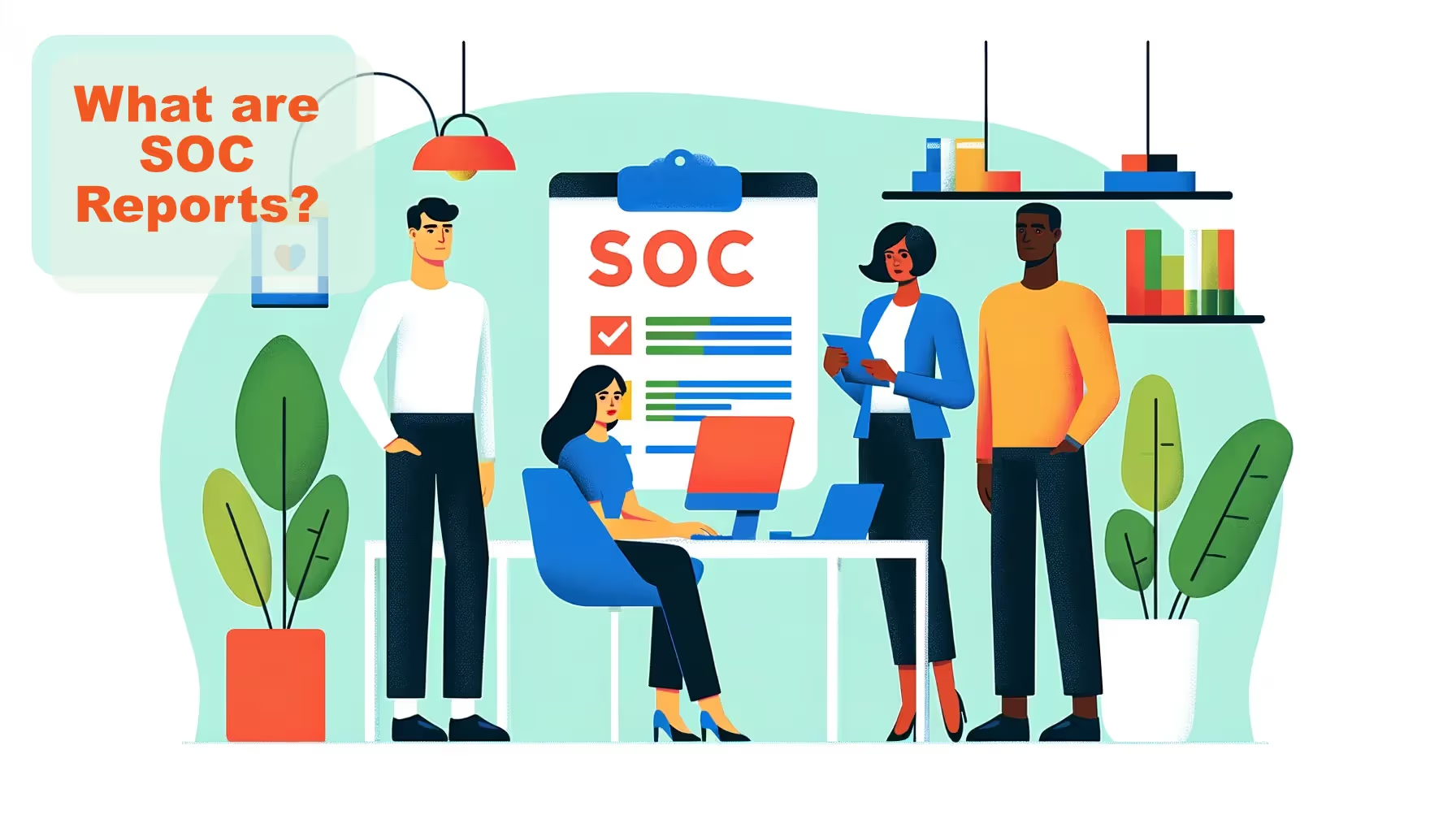
The Basics of SOC Reports: A Practical Guide to Security and Compliance
This article, part 1 of Penti’s “Knowledge Base Series,” provides a brief overview of SOC reports, including what is a SOC report, who creates them, and how they benefit organizations. Already familiar with SOC Reports? You can hop into our article about determining what kind of SOC report your organization needs "SOC 1 vs SOC 2").
What are SOC Reports?
To start with the basics, SOC (pronounced “sock”) stands for System and Organization Controls, also known as service organization controls report or service organization control. In business, a SOC document is used to provide assurance about an organizations internal controls, SOC compliance report, and SOC report security. Organizations do not generate SOC reports themselves; they are created after a third-party auditor conducts a financial audit and evaluates the operating effectiveness of controls.
Auditors examine SOC controls, including soc 1 service organization and soc 2 security, organization controls, and security controls that protect customer data and organization data protection controls. The SOC report summarizes the results of attestation, testing, and assessment over a period of time or at a point in time, depending on the types of SOC reports requested. SOC reports meaning and definition are clarified in this section to help organizations understand the purpose of these reports.
If an organization wants to achieve SOC compliance, they must first meet “trust services criteria.” These criteria, established by the American Institute of Certified Public Accounts, include the following:
- Security
- Availability
- Processing Integrity
- Confidentiality
- Privacy
Penti helps organizations meet trust services criteria by assessing and strengthening their “cybersecurity posture” with AI-enabled automated scans, manual penetration testing, and preparation for various compliance frameworks. (“Cybersecurity posture” refers to the overall strength of an organizations controls, protocols, and defense against cyberattacks.) Organizations receive guidance on best practices, SOC report controls, and organization's controls for service financial data to ensure internal controls and financial reporting are accurate and secure. This also helps users understand the organization's controls and provides additional assurance to management and customers. (See how Disco, acquired by Culture Amp, achieved continuous compliance with Penti.)
Why are SOC Reports Valuable?
Understanding what is SOC report used for is essential: SOC reporting helps demonstrate SOC integrity, effectiveness of controls, and organization data protection controls to customers, management, and stakeholders. It also mitigates risk by ensuring internal controls, financial audit processes, and SOC compliance are followed.
If your organization has encountered more companies requiring compliance certification, here’s why: data breaches, including identity theft, ransomware, and hacker attacks, hit an all-time high in 2023 for U.S. organizations. The statistics are staggering: “98% of organizations have a relationship with a vendor that experienced a data breach within the last two years.” A SOC report provides a document that shows how an organizations controls protect relevant financial statements, customer data, and organizations controls. So, it is not a matter of “if” your company will get targeted, but “when.” And it’s possible that it already happened.
Organizations that value responsibility and accountability should be proactive about protecting themselves and their customers. But how does an organization go about doing this? One option is to undergo a third-party audit (described above), which would generate a SOC report. The yield of such an assessment could help organizations identify and address any systemic inconsistencies and vulnerabilities, potentially avoiding data breaches and significant financial losses. This process also allows a specific auditor to evaluate effectiveness of controls and compliance.
A more immediate option, which you can try right now, is Penti’s free website header scan which can help test for SOC controls, enhancing SOC compliance and organization data protection controls. This scan checks the seven most common website header vulnerabilities that hackers can exploit to inject malicious code, disable your website, and steal your customers’ data.
According to the aforementioned report, “The number of ransomware attacks was two and a half times higher in September 2023 compared to September 2022,” and this upward trend will continue in 2024. The best course of action is to be proactive rather than reactive to lessen the risk of jeopardizing your business, customers, and reputation.
FAQ About SOC Reports
What is a SOC report?
A SOC report is a system and organization controls report used to assess organization controls, SOC compliance, and SOC report security.
What is SOC 1, SOC 2, and SOC 3?
SOC 1 report focuses on financial reporting, SOC 2 report evaluates security, availability, processing integrity, confidentiality, and privacy, while SOC 3 is a public-friendly summary.
What does SOC stand for in audit?
SOC stands for System and Organization Controls, also referred to as service organization control or service organization controls report.
Who needs a SOC report?
Organizations handling customer data, financial data, or providing services where trust, security controls, and SOC compliance are required may need a SOC report.
What's the difference between a SOC 1 and SOC 2 report?
SOC 1 reports evaluate internal controls over financial reporting, while SOC 2 reports focus on security, availability, processing integrity, confidentiality, and privacy.
What are SOC controls?
SOC controls are internal controls used to ensure data security, financial reporting accuracy, compliance, and adherence to trust services criteria. SOC controls are also evaluated during user assessment and testing.
How long is a SOC report valid?
SOC reports may cover a point in time or a period of time, depending on the types of SOC reports and the auditor’s assessment.

ISO 27001 Internal vs External Audits Explained: Roles & Process
In the world of information security, ISO 27001 stands as a hallmark of excellence, demonstrating an organization's commitment to safeguarding sensitive data and maintaining robust information security management systems (ISMS). To achieve ISO 27001 certification, organizations must undergo a thorough audit process. However, here's where the journey diverges into two distinct paths: internal audits and external audits.
Understanding these differences is essential for anyone embarking on the ISO 27001 compliance journey or seeking to gain insights into how information security is upheld within an organization.
In this blog post, we'll delve into the critical distinctions between internal and external ISO 27001 audits, shedding light on their unique purposes, the roles of auditors, and the scope of assessments. Whether you're a seasoned information security professional or just beginning to explore the world of ISO 27001, this guide will provide valuable clarity on the intricacies of these vital assessments.
Why is ISO/IEC 27001 important?
As cyber threats continue to evolve and increase in frequency, managing information security risks has become more complex for organizations of all sizes. ISO/IEC 27001 supports a risk-based approach to security by helping organizations identify vulnerabilities early and take proactive steps to reduce exposure.
The standard encourages a comprehensive view of information security by addressing people, processes, and technology together. When implemented effectively, an ISO/IEC 27001–aligned information security management system (ISMS) serves as a structured framework for ongoing risk management, improved cyber resilience, and stronger operational practices. (2)
Purpose for ISO 27001 Audits:
Internal Audit (ISO 27001):
Internal ISO 27001 audits are designed to evaluate and enhance an organization’s information security management system (ISMS), ensuring compliance with ISO 27001 standards and highlighting areas for improvement, whether conducted by internal staff or an independent third party (1).
External Audit (ISO 27001):
External ISO 27001 audits are typically conducted by certification bodies or registrars to provide an independent assessment of an organization's ISMS and determine its eligibility for ISO 27001 certification.
Auditor Independence for ISO 27001 Audits:
Internal Auditor Independence (ISO 27001)
Internal ISO 27001 auditors should be independent and impartial within the organization, but they are still employees or contractors of the organization.
External Auditor Independence (ISO 27001)
External ISO 27001 auditors are completely independent of the organization and are hired by certification bodies to assess compliance with ISO 27001.
Scope for ISO 27001 Audits:
Internal Audit Scope (ISO 27001)
The scope of internal ISO 27001 audits includes assessing all relevant aspects of the organization's ISMS, such as policies, procedures, controls, and risk management practices.
External Audit Scope (ISO 27001):
External ISO 27001 audits focus on evaluating the organization's ISMS in accordance with ISO 27001 requirements and determining whether it meets the standard's criteria for certification.
Steps in an Internal ISO 27001 Audit
An internal ISO 27001 audit is a key part of maintaining an effective information security management system (ISMS) and preparing for certification. Following a structured process ensures all controls are reviewed, gaps are identified, and compliance is continuously improved. Below is a practical guide to the main steps in an internal audit.
1) Plan the Internal Audit
Careful planning sets the foundation for a successful audit.
Audit Plan Creation: Begin by drafting a detailed audit plan that defines the scope, objectives, and methodology. This blueprint guides the audit and ensures a systematic review of your ISMS.
Plan Updates: Regularly revisit the plan to account for changes in processes, risks, or regulatory requirements. Keeping the plan flexible ensures the audit stays relevant and effective.
2) Conduct the Internal Audit
This is the execution phase where controls and processes are evaluated.
Identify Control Owners: Determine who is responsible for specific ISMS controls and establish clear communication channels.
Audit Approach: Choose the methods to use interviews, document reviews, or observations—based on audit objectives and organizational context.
Audit Meetings: Schedule and conduct meetings with control owners to clarify scope, timeline, and expectations.
Evidence Collection: Review documentation and observe processes to gather evidence of compliance. Highlight gaps, risks, and areas for improvement.
3) Report Audit Findings
Sharing results ensures transparency and supports decision-making.
Report to Stakeholders: Provide clear findings to the auditee and management review team, including strengths, weaknesses, and recommended corrective actions.
4) Update Incident and Corrective Action Logs
Maintain a central log for all identified issues and follow-up actions. This supports continuous improvement and proactive risk management.
5) Refine the Audit Schedule
Adjust future audits based on current findings, shifting risks, and changes in organizational priorities. A dynamic schedule ensures ongoing compliance and strengthens the ISMS over time.
ISO 27001 External Audit Steps
External ISO 27001 audits are performed by certification bodies or independent parties to provide assurance that an organization’s ISMS is effective and compliant. These audits are critical for gaining, maintaining, and renewing ISO 27001 certification. While interested parties may observe or request audits, only an accredited certification body can formally certify an organization.
1) Plan the External Audit
Before the audit, external auditors coordinate with the organization to finalize an audit plan.
Audit Preparation: Resources are allocated, dates and times are set, and the scope is defined. This ensures that both auditors and the organization are aligned and prepared for the assessment.
2) Stage 1 Audit – Documentation Review
This initial review checks that the ISMS is properly established and documented.
Documentation Verification: External auditors assess whether all relevant policies, procedures, and records are in place, providing a foundation for the full certification audit.
3) Stage 2 Audit – Certification Audit
A detailed, fact-based audit evaluates whether the ISMS operates in accordance with ISO 27001 standards.
Operational Assessment: Auditors examine a representative sample of processes, observe implementation of controls, and verify that documented procedures are followed effectively.
4) Surveillance Audit
Periodic audits are conducted between certification and recertification to monitor ongoing compliance.
Focused Assessment: These audits review specific areas of the ISMS, ensuring corrective actions are maintained and risks are controlled.
5) Recertification Audit
A comprehensive audit performed before the end of the certification cycle, typically every three years.
Full ISMS Review: This stage covers all standard requirements, confirming that the organization continues to meet ISO 27001 standards and maintain a robust information security posture.
In conclusion, mastering ISO 27001 internal audits is not just about ticking boxes; it's about ensuring the robustness of your Information Security Management System and safeguarding the digital assets your organization holds dear. By adhering to the principles and best practices outlined in this blog post, you're not only meeting compliance requirements but also fortifying your defenses against the ever-evolving landscape of cyber threats.
Frequently Asked Questions (FAQ)
What is an ISO 27001 risk assessment?
An ISO 27001 risk assessment is a core part of the ISMS audit and helps organizations identify, analyze, and prioritize information security risks. It evaluates threats to information assets, the effectiveness of existing security controls, and potential impacts on business processes. The results feed directly into a risk treatment plan, supporting risk reduction and maintaining information security over time.
Who can perform an ISO 27001 audit?
ISO 27001 audits may be performed by different parties depending on the audit type. Internal audits are typically conducted by qualified internal auditors, consultants, or members of an audit team who are independent from the processes being reviewed. Certification audits, including the initial certification audit and recertification audits, must be conducted by an accredited certification body, often overseen by organizations such as the ANSI National Accreditation Board.
How often should ISO 27001 audits be conducted?
Organizations undergo internal audits at planned intervals, usually at least once per year, to support ongoing compliance and continual improvement. External audits follow a structured certification process that includes the initial certification audit, followed by periodic surveillance audits and recertification audits every three years to verify compliance and operating effectiveness.
What is included in an ISO 27001 internal audit report?
An internal audit report documents audit findings, evidence collection, and results of the internal audit process. It typically includes an executive summary, audit scope, document review outcomes, identified gaps, corrective actions, and recommendations for improvement. Audit logs and audit results help management review performance and strengthen the organization’s security posture.
How should organizations prepare for an ISO 27001 audit?
Effective audit preparation includes conducting a gap analysis, defining an audit plan, assigning process owners, and ensuring relevant organizational processes are documented. Regular internal audits, security awareness training, and strong security practices improve audit readiness and help prove compliance during audit execution, including remote audits where applicable.
How does ISO 27001 support long-term compliance?
ISO 27001 is designed to support maintaining compliance through continual improvement rather than one-time certification. Activities such as internal review, management review, audit programs, and monitoring contractual requirements help organizations maintain compliance, adapt to new security risks, and align information security with business strategy over time.
Why is ISO 27001 considered a key component of information security?
ISO 27001 provides a structured framework for managing information security risks across people, technology, and processes. By improving security posture, preventing data breaches, and strengthening operating effectiveness, it helps organizations achieve certification and demonstrate commitment to information security management over the long term.
Sources:
- Vanta, ISO 27001 internal audit, https://www.vanta.com/glossary/iso-27001-internal-audit
- ISO, ISO/IEC 27001: Information security management, https://www.iso.org/standard/27001

Choosing the Right SOC Report for Your Business: A Guide to SOC 1 vs SOC 2 and AI-Powered Risk Assessments
Welcome to our guide to choosing the right SOC report for your business. In today's world, where security breaches and cyber threats are on the rise, it has become increasingly important for companies to take steps to protect themselves. SOC reports are an important tool for organizations looking to assess their security controls and provide customers with confidence in their security practices. This guide focuses on the two main types of SOC reports: SOC 1 vs SOC 2, and how AI-powered risk assessments can further enhance your security measures. So if you're an organization looking to choose the right type of SOC report or improve your existing controls, this article in this blog is for you.
SOC 1 vs SOC 2 Compliance
Understanding the basics of SOC reports and audit requirements given for the AICPA
If you want to achieve and maintain SOC compliance and understand what are SOC 1 and SOC 2 reports, it's important to understand the basics of SOC audits and reports requirements. The International Organization for Standardization ISO 27001 provides a framework for information security practices and risk mitigation, and the American Institute of Certified Public Accountants (AICPA) issues SOC reports for service organizations to assess their internal controls. SOC 1 reports focus on controls related to financial reporting and financial data, while SOC 2 reports evaluate controls related to trust services criteria, including processing integrity, security, availability, confidentiality, and privacy. A SOC examination provides information about the control environment and processes in place at a service organization, which can help enterprise customers and user entities assess the risks associated with outsourcing certain functions. By using AI-powered readiness assessment and risk assessments to supplement SOC reports, cloud service providers, financial services companies, and other service providers can gain a deeper understanding of their security practices and make necessary improvements to their appropriate controls.
How service organizations can benefit from type SOC compliance
When it comes to SOC 1 vs SOC 2 compliance, service organizations have a lot to consider. Understanding the difference between the two types of reports is critical to making the right decision.
Service organizations can benefit greatly from achieving SOC compliance, as this can be an important differentiator for service providers as they seek to demonstrate that their internal controls and processes meet certain trust services criteria established by the American Institute of Certified Public Accountants (AICPA). This can provide enterprise customers with an additional level of assurance that their customer data is handled securely, ultimately leading to greater customer trust and credibility. In addition, SOC readiness assessment and compliance can help service organizations identify and address potential risks related to the confidentiality and privacy of financial information and confidential information, which is vitally important in today's digital age. By taking proactive steps to address these risks, service organizations can not only ensure their compliance program is operating effectively but also enhance their reputation and gain a competitive advantage in markets with strong regulatory oversight.
The key difference between the SOC 1 and SOC 2 reports
When it comes to SOC 1 vs SOC 2, one of the most significant key differences between the two is the type of attestation report generated. SOC 1 reports are designed for financial services companies, payroll processors, or other entities needing assurance over financial reporting and processing accuracy. In contrast, SOC 2 reports are designed to evaluate a service organization relevant to security, availability, processing integrity, confidentiality, and privacy. These different types of SOC reports assess compliance with the trust services criteria and help identify any security gaps or weaknesses in security controls.
Service organizations need to understand the key differences between SOC 1 and SOC 2 reports to determine which is most appropriate for their specific needs. While SOC 1 is ideal for organizations that provide services related to financial reporting, SOC 2 is better suited for organizations that provide services related to data management and security. By choosing the right SOC report, service organizations can ensure that their internal controls and information security measures are accurately and effectively evaluated.
SOC 1 vs SOC 2: Which is right for your organization?
When deciding on a SOC report, there are several factors to consider to ensure that you select the appropriate report for your organization. For example, you should consider the nature and scope of your services and the level of risk associated with them. It is also important to consider the types of SOC reports for the service organizations that your organization handles and the level of risk that its disclosure could pose to your business partners. In addition, you should consider the size and complexity of your organization, your business model, and the control environment and entity level controls in which it operates. By considering all of these factors, you can make an informed decision about which SOC 1 vs SOC 2 report will best meet your organization's specific needs, support your risk mitigation efforts, and help ensure that you remain in compliance with relevant regulations and industry standards.
The importance of SOC certification for cybersecurity
When it comes to protecting your company and your clients from cybersecurity risks, SOC certification is critical. The Statement on Standards for Attestation Engagements No. 18 (SSAE 18) establishes guidelines for SOC examination and reporting, including SOC for cybersecurity report. By obtaining SOC 1 vs SOC 2 certification, organizations can demonstrate to enterprise customers, business partners, and regulators that they take data security and information security practices seriously and have appropriate controls in place to protect customer data and other confidential information. This can not only help build customer trust but also make the company more attractive to potential clients who prioritize security availability processing integrity. In today's digital age, SOC compliance is becoming increasingly important for service organizations of all sizes.
Related Article: Cybersecurity Requirements
Pros and cons of SOC 1 and SOC 2 compliance
Advantages of SOC 1 certification for service organizations
When it comes to service providers, SOC 1 certification can provide several benefits. For one, it demonstrates your commitment to meeting industry-recognized system and organization controls standards for internal controls over financial reporting (ICFR). This can instill confidence in your clients and help you win new business, especially if you provide cloud service providers solutions or other outsourced services. In addition, obtaining a type II report under SOC 1 can streamline the audit process and reduce the burden on your internal teams, as auditors can rely on the auditor's opinion in the final report rather than performing extensive testing themselves. Overall, SOC 1 certification can help service organizations improve their operations, enhance their credibility, and gain a competitive advantage in sectors with strong regulatory oversight.
Limitations of SOC 1 reports for user entities
When it comes to SOC 1 reports, it's important for user organizations to understand their limitations. SOC 1 reports only provide information on controls within the service organization that are relevant to financial reporting. This means that other areas, such as data security or privacy, may not be covered. In addition, SOC 1 reports may not be sufficient for organizations subject to regulations such as HIPAA. In such cases, a SOC 2 report may be required to demonstrate compliance with information security and privacy regulations. It's important for user organizations to carefully consider their needs and regulatory requirements before selecting a SOC report type.
Advantages of SOC 2 certification for service organizations
When it comes to SOC 2, there are several benefits that service organizations can leverage. One of the primary benefits is that SOC 2 reports provide a broader range of assurance by evaluating security controls, operational effectiveness, and trust services criteria beyond financial reporting.
SOC 2 vs SOC 1 offers flexibility, allowing a service organization relevant to security and privacy to demonstrate its unique control environment, continuous monitoring, and operating effectiveness. In addition, SOC 2 compliance can assure clients that their customer data and financial data are being handled securely and that the organization maintains same controls across key areas of data hosting and data protection. Achieving this certification requires a third party auditor and a SOC audit, which together provide valuable insight into an organization's security practices, cybersecurity report posture, and risk mitigation strategies.
Limitations of SOC 2 reports for user entities
One of the major limitations of SOC 2 reporting is that it is not a one-size-fits-all attestation report. Each service organization has unique internal controls, and SOC 2 reports are limited to the specified date and to the controls relevant to the services provided. Another limitation of SOC 2 reports is that they do not cover all types of internal controls, such as those related to financial reporting.
When relying on a service organization's SOC 2 report, user entities should keep in mind that the report is designed to provide a snapshot of the control environment and operating effectiveness at a point in time. Therefore, if enterprise customers need assurance about the entire process throughout the year, they may need to perform additional continuous monitoring, request a type II report, or require ongoing oversight by the independent certified public accountant. In addition, a SOC 2 vs SOC 3 analysis might reveal the need for additional reports for marketing purposes or to address customer requirements. Overall, it is important for user entities to carefully review and consider the limitations of SOC 2 reports and take appropriate steps to ensure that they receive adequate assurance regarding the service organization's appropriate controls.
Navigating the entire process of SOC certification with ease
Achieving SOC certification can be a time-consuming and complex process, but it is an important step for service organizations looking to provide assurance to clients and management. To navigate the process with ease, it is important to have a solid understanding of SOC standards and the service organization's control.
- First, it is critical to determine which type I or type II attestation report is most appropriate for your organization based on your specific needs and the confidential information you handle.
- Next, it is important to work closely with your third party auditor to identify and address any potential issues or security gaps in your controls prior to the audit. This will help streamline the entire process and ensure that you are able to achieve SOC certification in a timely manner.
- Throughout the audit, maintain open and transparent communication with your independent certified public accountant, providing all documentation for the attestation report to ensure the final report accurately reflects your operating effectively posture.
By following these best practices and working closely with your auditor, you can easily navigate the SOC certification entire process and achieve a certification that assures your clients and management that your services meet trusted common criteria.
Effective Strategies for Achieving and Maintaining SOC 1 and SOC 2 Compliance
How to build an effective SOC compliance program
As organizations strive to achieve SOC 1 and SOC 2 compliance, it is important to establish a comprehensive SOC compliance program. Such a program should address key areas such as financial statements, internal controls, and regulatory oversight, among others.
To create an effective SOC compliance program, organizations should begin by creating a detailed plan that outlines the specific requirements for SOC compliance. This plan should include steps to identify risks and assess internal controls, as well as establish policies and procedures for ongoing monitoring and testing.
Another important aspect of a SOC compliance program is to ensure that person receives appropriate training and education. This may include training on key topics such as the SOC standards, SSAE 18, and other relevant regulations and guidelines.
Finally, organizations should periodically review and update their SOC compliance program to ensure that it remains current and effective. This may include conducting periodic internal audits and assessments, as well as monitoring and updating industry developments through resources such as this blog.
By following these steps and creating a comprehensive SOC compliance program, organizations can ensure that they are well-positioned to achieve and maintain SOC 1 and SOC 2 compliance.
Implementing best Practices for SOC reports and audits
When it comes to SOC reports and audits, it's important to implement best practices to ensure your organization achieves and maintains compliance. A key best practice is to work with a certified public accountant (CPA) who has experience with SOC audits and can provide guidance throughout the process. In addition, using a simple yet complete guide, such as the one provided by the American Institute of Certified Public Accountants (AICPA), can be helpful in understanding the requirements and expectations for SOC compliance.
Other best practices include regularly reviewing and updating internal controls, maintaining accurate and current financial statements, and staying abreast of changes in SOC standards, such as the recent transition to the SSAE 18 standard. By following these best practices and remaining proactive in their SOC compliance efforts, organizations can achieve and maintain their SOC attestation with greater ease and confidence.
How to address common SOC compliance challenges
Achieving and maintaining compliance with SOC 1 and SOC 2 standards can be a difficult process for service organizations. However, by addressing common challenges, organizations can ensure they meet the necessary criteria for trusted services and provide assurance to their customers.
One of the common challenges is implementing effective internal controls to address information and control risks. This requires a thorough understanding of the type of SOC reporting appropriate for the organization and ensuring that the controls in place are compliant with SOC standards. In addition, understanding the major difference between SOC 1 and SOC 2 reports and their respective audit requirements can be complicated. By working with a qualified CPA and using a simple but comprehensive guide, service organizations can overcome these challenges and create an effective SOC compliance program that meets their specific needs.
Read more about compliance challenges in our Cybersecurity and Compliance: Best Practices, Frameworks, and Tips
Overcoming limitations of SOC reports for your organization
To effectively navigate the SOC compliance process, it's important to understand the limitations of SOC reports and how they may impact your organization. A common limitation is that SOC reports may not fully address all of your organization's specific needs and requirements. This is where the SOC for Service Organizations comes in, as it provides guidance and criteria specifically designed for service organizations.
Another limitation to be aware of is the potential for internal control deficiencies that may result in noncompliance with SOC standards. To address this, it's important to establish strong internal controls and regularly monitor and test them to ensure their effectiveness.
Ultimately, while there are limitations to SOC reports, they still provide valuable assurance to clients and stakeholders about the effectiveness of a service organization's controls. By understanding these limitations and taking steps to address them, organizations can successfully achieve and maintain SOC compliance.
Tips for achieving and maintaining SOC certification
Achieving and maintaining SOC certification can be a challenging and time-consuming process, but it is essential for service organizations that handle sensitive customer information. Here are some tips to help streamline the process and ensure successful certification:
- Understand the difference between SOC 1 and SOC 2: Understanding the key differences between SOC 1 and SOC 2 can help your organization determine which type of report is most appropriate for your needs.
- Become familiar with the SSAE 18 standard: Understanding the requirements of the SSAE 18 standard can help you prepare for the SOC audit and ensure that your internal controls meet the necessary criteria.
- Document your internal controls: Clear and comprehensive documentation of your internal controls is essential to SOC compliance. Make sure your documentation is up-to-date and readily available to auditors.
- Regularly evaluate and update your controls: Internal controls should be regularly assessed and updated to ensure that they effectively address potential risks and vulnerabilities. This ongoing process is critical to maintaining SOC certification.
- Work with an experienced SOC auditor: Working with an experienced auditor familiar with SOC compliance can help ensure a smoother audit process and increase the likelihood of successful certification.
By following these tips, service organizations can navigate the SOC certification process with greater ease and confidence, ultimately providing clients with the assurance they need to entrust their sensitive information to the organization.
Understanding the Role of Artificial Intelligence in SOC Compliance

How AI can help detect security breaches and mitigate risks
Artificial intelligence (AI) has become an important tool for organizations seeking to achieve SOC compliance. By leveraging AI, organizations can detect breaches and mitigate risk more efficiently and effectively than ever. When it comes to SOC compliance, AI can be particularly helpful in differentiating between SOC 1 vs SOC 2 audits. By analyzing data from a company's financial statements and internal controls, AI can provide insight into which type of audit is best suited for that organization.
AI can also help organizations achieve ongoing compliance by constantly monitoring systems and data for potential risks. By analyzing data in real-time, AI can detect and respond to security breaches faster than traditional methods. This can help ensure the availability and reliability of critical systems and services, minimizing downtime and reducing the risk of data loss.
Overall, AI is an important tool for any organization seeking to meet SOC standards. By leveraging its capabilities, organizations can better understand the differences between SOC 1 and SOC 2 audits, ensure the availability and reliability of critical systems and services, and more effectively detect and mitigate security risks.
Enhancing your SOC compliance with AI-powered risk assessments
Artificial intelligence has revolutionized the way organizations approach security and risk management. By leveraging machine learning algorithms, organizations can now identify potential security breaches and mitigate risks before they become major problems. This technology can be especially helpful for organizations seeking to achieve SOC compliance.
One way AI can improve SOC compliance is through the use of risk assessments. With AI-powered risk assessments, organizations can identify potential risks and vulnerabilities in their systems and take proactive steps to mitigate them. This is especially important when it comes to meeting trust services criteria, as these criteria require companies to demonstrate that they have effective controls in place to protect their customers' information.
AI can also help organizations streamline their SOC compliance efforts. By automating certain tasks, such as data collection and analysis, organizations can save time and reduce the risk of human error. This can be especially beneficial for smaller organizations, which may not have the resources to hire a dedicated team of auditors.
In short, AI-powered risk assessments can be a valuable tool for organizations seeking to achieve and maintain SOC compliance. By identifying potential risks and vulnerabilities, companies can take proactive steps to protect their customers' information and demonstrate their commitment to security.
Best practices for integrating AI into your SOC compliance program
Integrating artificial intelligence (AI) into your SOC compliance program can help improve the accuracy and efficiency of risk assessments, but it's important to do so in a thoughtful and strategic way. Here are some best practices for incorporating AI into your SOC compliance program:
- Define Your Goals: Before integrating AI into your SOC compliance program, it's important to clearly define your objectives. What specific tasks or processes do you want AI to improve? What types of risks do you want AI to help identify and mitigate? Defining your objectives upfront will help ensure that the AI is properly aligned with your overall SOC compliance program.
- Ensure data quality: AI relies heavily on data, so it's important to ensure that your data is of high quality. This includes ensuring that your data is accurate, complete, and up-to-date. If your data is of poor quality, it can negatively impact the accuracy and effectiveness of your AI-driven risk assessments
- Incorporate Appropriate Trust Service Criteria: When integrating AI into your SOC compliance program, it's important to incorporate appropriate trust service criteria (TSC). TSC is a set of criteria used to evaluate whether a service organization's internal controls are adequate and effective. By incorporating appropriate TSC into your AI-based risk assessments, you can help ensure that your SOC compliance program is aligned with industry standards.
- Establish Controls and Processes: Integrating AI into your SOC compliance program requires establishing appropriate controls and processes. This includes establishing controls over data input, processing, and output, as well as establishing processes for ongoing monitoring and review. By establishing appropriate controls and processes, you can help ensure the accuracy, integrity, and security of your AI-based risk assessments.
- Continuously Monitor and Refine: It's important to continuously monitor and refine your AI-powered risk assessments. This includes monitoring the accuracy and effectiveness of the AI, as well as refining the AI as needed to improve its performance. By continuously monitoring and refining your AI-powered risk assessments, you can help ensure that your SOC compliance program remains effective and current.
Using AI to address SOC report criteria and standards
As an AI-powered tool, it's important to understand how artificial intelligence can help organizations meet SOC reporting criteria and standards. With AI, organizations can improve process integrity by automating key aspects of their SOC compliance program, such as data collection and analysis, risk assessment, and continuous monitoring.
AI can also help identify potential areas of non-compliance and suggest remediation steps, enabling organizations to proactively address SOC reporting criteria and standards. In addition, AI can provide real-time insights into the effectiveness of internal controls, helping organizations improve their trust service criteria and ultimately achieve SOC compliance more efficiently and effectively.
Integrating AI into your SOC compliance program can be a daunting task, but with the right guidance and best practices, organizations can use AI to their advantage. Some key tips include selecting an AI solution that is designed specifically for SOC compliance, training staff on the new technology, and regularly evaluating the effectiveness of AI-based risk assessments to ensure they are aligned with SOC reporting criteria and standards.
Achieving greater efficiency and accuracy in SOC compliance with AI
In today's rapidly changing business landscape, organizations are challenged to maintain robust SOC compliance programs while keeping pace with the latest technological advancements. This is where artificial intelligence (AI) can play an important role. By leveraging AI-powered tools and techniques, service organizations can achieve greater efficiency and accuracy in SOC compliance reporting, reducing the time and cost associated with the process.
AI can help organizations address SOC reporting criteria and standards, including processing integrity and other trust service criteria. By automating the collection and analysis of large amounts of data, AI-powered tools can identify potential risks and vulnerabilities faster and more accurately than traditional methods. This can lead to more effective risk management and a better understanding of internal controls.
The American Institute of Certified Public Accountants (AICPA) recognizes the importance of AI in SOC compliance and has provided guidance on how to integrate AI into SOC reporting. By following best practices for AI integration, professional services firms can enhance their SOC compliance programs, achieve greater efficiency and accuracy, and stay ahead of the competition.
Choosing the Right SOC Report for your business
Understanding the different types of SOC reports and criteria
When it comes to SOC compliance, there are several types of reports that service organizations can obtain, depending on their specific needs. The American Institute of Certified Public Accountants (AICPA) has established criteria for each type of report to ensure that service organizations meet certain standards.
The most common SOC reports are SOC 1 and SOC 2. SOC 1 reports are designed for service organizations that provide services that affect the financial statements of their clients, while SOC 2 reports are designed for service organizations that provide services related to security, availability, processing integrity, confidentiality, or privacy.
It's important to carefully consider your organization's needs and the types of service organization information you handle before deciding which SOC report pursuing. Working with a trusted assessor can also help ensure that you're meeting the appropriate criteria for SOC compliance.
How to prepare for a successful SOC audit and report
When it comes to preparing for a SOC audit and report, there are several steps that organizations can take to ensure a successful outcome. Here are a few best practices to consider:
- Understand the reporting requirements: It's important to understand the specific reporting requirements for the type of SOC report you are pursuing. This will help ensure that you are gathering the right information and documentation.
- Identify your risks: Conduct a risk assessment to identify any potential risks to your internal controls. This will help you address any weaknesses or gaps before the audit.
- Implement and document controls: Implement and document internal controls to address identified risks. Ensure that all controls are properly documented and tested.
- Engage a qualified auditor: Working with a qualified auditor who has experience with SOC audits can help ensure a successful outcome. Look for auditors who are knowledgeable in your industry and can provide valuable insights and recommendations.
- Leverage technology: Consider leveraging technology, such as AI-powered risk assessments, to help identify and address potential risks and control gaps. This can help improve the efficiency and accuracy of your SOC compliance program.
By following these best practices and leveraging technology and expertise, organizations can be better prepared for a successful SOC audit and report.
Conclusion: Key takeaways for achieving SOC compliance
In conclusion, achieving SOC compliance is critical for organizations that want to demonstrate their commitment to information security and meet customer expectations. When choosing between SOC 1 and SOC 2 reporting, it is important to follow these key points to help your organization achieve SOC compliance and provide assurance to customers and stakeholders regarding the security, availability, processing integrity, confidentiality, and privacy of your services.
It is important to consider the types of services you provide and the specific needs of your organization. Whether you are seeking SOC 1 or SOC 2 certification, it is essential to establish strong internal controls over financial reporting (ICFR) and work with qualified auditors to ensure a successful audit and report. Leveraging AI-based risk assessments can also improve the effectiveness and accuracy of your SOC compliance program. By following best practices and staying current with the latest SOC standards and criteria, your organization can achieve SOC compliance and build trust with your customers.

Strengthen your cybersecurity defenses with Team Blue: learn how they can protect your assets against cyber threats
In today's ever-evolving digital landscape, cybersecurity threats are more prevalent than ever. As a brand, ensuring the safety and protection of your customers' sensitive data is paramount. This is where the power of blue teams comes in. By proactively identifying and mitigating risks, a strong Blue Team can help bolster your organization's security strategy, maintain compliance with industry regulations, and build trust with your customers. In this article, we'll explore the importance of Team Blue in safeguarding your brand and its customers.
What is a Blue Team in cybersecurity and why you need one
In the world of cybersecurity, the question of what a blue team is often comes up in discussions about defense. Such teams are crucial for maintaining the security posture and protecting against attacks. They work proactively to identify potential vulnerabilities in systems and applications, and implement measures to mitigate risks.
Regular vulnerability assessments, blue team penetration testing, and threat hunting allow them to identify potential gaps and prevent successful cyberattacks. Working collaboratively with a Red Team, blue teaming improves knowledge of how adversaries may breach an organization's systems. With a strong team in place, businesses can safeguard their assets, maintain customer trust, and protect against costly consequences.
Building a big team: How Blue Teams work in collaboration with Red Teams to bolster your defense

Businesses of all sizes and industries are at risk of cyberattacks, making it essential to have a comprehensive blue team definition and organization's security approach. One effective method is to have both red team vs blue working together to bolster your defense posture.
While Blue Teams are responsible for identifying and mitigating potential threats to your business, Red Teams are responsible for simulating attacks against your defenses. The goal of a Red Team is to act as a hacker would and attempt to penetrate the organization's systems and applications. The Blue Team then analyzes the results of the simulated attacks and takes action to prevent any real attacks from being successful. This process is sometimes called blue team testing or blue team penetration testing, as it validates the existing security infrastructure and measures in place.
By working together, Blue and Red Teams can identify potential vulnerabilities and weaknesses in your defense strategy. The Blue Team can use the findings from Red Team simulations to identify gaps in their defense posture and prioritize blue team objectives that need to be taken. In turn, the Red Team can provide feedback to the Blue Team on the effectiveness of their defense measures, creating a balance of red team member versus blue team member insights.
This collaboration between Blue and Red Teams is crucial for brands and businesses looking to maintain a proactive and resilient defense posture. By identifying potential weaknesses and vulnerabilities, the Blue Team can take action to mitigate risks and ensure that their defense measures are up-to-date and effective. These cooperative blue team exercises simulate real world attacks and validate the organization's existing security measures, ensuring blue team's defenses remain strong.
Ultimately, the collaboration between Blue and Red Teams can help brands and businesses stay one step ahead of cybercriminals. By constantly testing and analyzing their defense measures, they can identify threats before they become real incidents. In today's cyber threat landscape, it's more important than ever to have a strong and effective Team Blue strategy in place to protect your business and customers with a community security solution that resists real world threats.
The benefits of building a strong Blue Team for your business

A strong Blue Team can bring numerous benefits to your business, ranging from enhanced cybersecurity to improved customer trust. Here are some of the key benefits of building a strong Blue Team for your business, while ensuring alignment with the overall organization's security strategy and security infrastructure.
Stronger cybersecurity:
With a strong Blue Team in place, your business can rest assured that its defense is up-to-date, effective, and resilient. By proactively identifying and mitigating cyber threats, a blue team security approach can help prevent data breaches, block sophisticated attack techniques, and safeguard your business against financial, legal, and reputational damage. These activities often include blue team operations, intrusion detection systems, and endpoint security software to stop potential security incidents before they escalate.
Improved compliance:
For businesses that store sensitive data, compliance with industry regulations and standards is crucial. A blue team meaning in practice extends beyond defense. It ensures adherence to security frameworks by conducting regular security audits, performing independent technical review, and validating risk management strategies.
Enhanced customer trust:
In today's digital age, customers expect brands to safeguard their personal information and maintain their privacy. By building a strong Blue Team, you demonstrate commitment to security readiness, access management, and log data monitoring. This shows that your security team and security professionals are fully engaged in protecting customer information and secure network architectures.
Competitive advantage:
By having a strong Blue Team, your business can gain a competitive edge in the marketplace. Customers are increasingly aware of the risks associated with cyber threats, and are more likely to choose businesses that prioritize cybersecurity. A blue team skill set, combined with risk intelligence analysis, network protocols monitoring, and threat detection, enhances brand resilience. Additionally, proactive blue team defends strategies, like forensic analysis and traffic analysis, help prevent unauthorized parties from exploiting weaknesses.
For example, a strong Blue Team is essential for brands looking to reach customers across Europe, as it helps ensure compliance with GDPR and protect sensitive data. By investing in blue team roles, antivirus software, and reverse engineering capabilities, businesses can safeguard their brand reputation, maintain customer trust, and demonstrate they are a group responsible for delivering a robust community security solution.
Best practices for creating and managing a successful Blue Team

Creating and Managing a Successful Blue Team: Best Practices
Creating and managing a successful Blue Team can be a challenging task, but following best practices can help you build a strong and effective cybersecurity defense for your business. Here are some primary care best practices for creating and managing a successful Blue Team:
1. Establish clear objectives: This includes defining the scope of their responsibilities, setting performance targets, and outlining key performance indicators (KPIs) to measure their effectiveness.
2. Build a diverse team: A successful Blue Team should include professionals with a range of backgrounds and expertise, such as network security, application security, incident response, and compliance.
3. Foster collaboration: Collaboration is key to the success of any Blue Team. Encourage open communication and teamwork between team members, as well as collaboration with other departments in your business, such as IT, legal, and compliance.
4. Invest in training and development: Cybersecurity is a rapidly-evolving field, and it's crucial to keep your Blue Team up-to-date with emerging threats and trends. Invest in training and development opportunities to ensure that your team members are equipped with the knowledge and skills they need to be effective in their roles.
5. Utilize technology: There are a variety of technology tools available to help Blue Teams monitor and analyze their networks, systems, and applications. Invest in the right tools for your team to help them streamline their workflows and stay on top of emerging threats.
Proactive Defense Strategies: How Blue Teams Identify and Mitigate Cyber Threats
In today's cyber threat landscape, proactive defense strategies are essential for protecting your brand and maintaining the trust of your customers. A strong Blue Team can help your business identify and mitigate potential threats before they can cause harm. Here are some proactive defense strategies that Blue Teams use to identify and mitigate cyber threats:
1. Threat intelligence: Blue Teams use threat intelligence to stay up-to-date on the latest cyber threats and trends. This includes monitoring industry reports, analyzing data from security tools and services, and collaborating with other organizations to share information about emerging threats.
2. Vulnerability scanning: These tools scan your network and identify potential weaknesses, allowing your Blue Team to proactively address them before they can be exploited by attackers.
3. Penetration testing: Blue Teams also conduct penetration testing, which involves simulating a cyberattack to identify potential vulnerabilities in your organization's defenses. This testing helps your Blue Team understand how attackers might try to breach your systems and applications, and identify potential weaknesses that need to be addressed.
4. Security automation: These tools help manage and monitor your organization's cybersecurity defenses and can help your Blue Team identify potential threats and take action to address them before they can cause harm.
5. Employee training and awareness: By educating your employees about cybersecurity best practices and the potential risks of cyber threats, you can reduce the likelihood of successful attacks and improve your overall security posture.
Blue Team vs. Red Team: An Inside Look at the Cybersecurity Battle
In the world of cybersecurity, the battle between the Blue Team and the Red Team is a constant struggle. The Blue Team is responsible for defending against cyberattacks and protecting your organization's assets, while the Red Team is responsible for simulating cyberattacks and attempting to penetrate your organization's defenses.
The Red Team uses a variety of tactics to simulate cyberattacks, including social engineering, phishing, and penetration testing. The goal of the Red Team is to identify potential vulnerabilities in your organization's systems and applications, and provide feedback to the Blue Team to help improve your overall security posture.
The Blue Team, on the other hand, works proactively to identify potential vulnerabilities and implement measures to mitigate the risk of cyber threats. This includes implementing security controls such as firewalls, intrusion detection and prevention systems, and security information and event management (SIEM) systems.
To achieve success, the Blue Team and the Red Team must work closely together to ensure a comprehensive and effective defense against cyber threats. This includes sharing information about emerging threats and vulnerabilities, collaborating on incident response and threat hunting activities, and providing feedback to help improve each other's strategies and tactics.
Achieving Compliance and Building Trust with a Strong Blue Team
Here are some ways that a strong Blue Team can help your business achieve compliance and build trust:
1. Stay compliant: A strong Blue Team can help ensure that your business meets regulatory requirements and stays up-to-date with emerging threats and trends in the cybersecurity landscape. This includes complying with regulations such as GDPR, HIPAA, and PCI-DSS, among others.
2. Protect sensitive data: By proactively identifying and mitigating cyber threats, with primary care best practices you can help protect your customers' sensitive data and maintain their trust in your brand. This includes implementing measures such as data encryption, multifactor authentication, and access controls to limit data exposure.
3. Respond quickly to incidents: In the event of a data breach or cyberattack, a strong Blue Team can help your business respond quickly and effectively to minimize the impact on your customers and your brand. This includes implementing an incident response plan that outlines clear roles and responsibilities, as well as communication protocols to keep customers informed.
4. Demonstrate commitment to security: By building a strong Blue Team and investing in cybersecurity measures, you can demonstrate to your customers that you take their security seriously and are committed to protecting their data. This can help build trust and loyalty among your customer base, and differentiate your brand from competitors who may not prioritize cybersecurity.
A strong Team Blue primary care strategy can help brands achieve these goals by staying compliant, protecting sensitive data, responding quickly to incidents, and demonstrating a commitment to security. By investing in a strong Blue Team, you can safeguard your brand reputation and maintain the trust of your customers in today's increasingly digital world.
How to Hire and Train the Right People for Your Blue Team

Hiring and training the right people for your Blue Team is crucial for achieving online success, protecting your brand, and maintaining the trust of your customers. Here are some tips for hiring and training the right people for your Blue Team:
1. Define the roles and responsibilities: This includes outlining the skills, experience, and qualifications that are required for each role.
2. Look for a diverse skill set: A successful Blue Team should include professionals with a range of backgrounds and expertise. Look for candidates who have experience in areas such as network security, application security, incident response, and compliance.
3. Assess soft skills: In addition to technical expertise, it's important to assess candidates' soft skills, such as communication, teamwork, and problem-solving. These skills are essential for building a successful Blue Team that can collaborate effectively and respond quickly to emerging threats.
4. Provide ongoing training and development: Cybersecurity is a rapidly-evolving field, and it's crucial to provide ongoing training and development opportunities for your Blue Team to stay up-to-date with emerging threats and trends. This can include industry certifications, workshops, and conferences.
5. Foster a culture of learning: In addition to providing formal training, it's important to foster a culture of learning within your Blue Team. Encourage team members to share their knowledge and expertise with each other, and provide opportunities for peer-to-peer learning and mentorship.
Blue Team Case Studies: Real-World Examples of Their Impact on Cybersecurity Defense
Case studies can be a powerful tool for understanding the impact of a strong Blue Team on cybersecurity defense. Here are some real-world examples of how Blue Teams have helped important brands protect their brand against cyber threats:
Target Corporation:
In 2013, Target suffered a massive data breach that compromised the sensitive information of millions of customers. Following the breach, Target implemented a comprehensive cybersecurity strategy that included the creation of a strong Blue Team. The Blue Team worked proactively to identify and mitigate potential vulnerabilities in Target's systems, and implemented measures to prevent future attacks. Since then, Target has not suffered a major data breach, demonstrating the effectiveness of their Blue Team in safeguarding their brand reputation.
Sony Pictures Entertainment:
In 2014, Sony Pictures suffered a devastating cyberattack that resulted in the theft of sensitive data and the leak of confidential information. Following the attack, Sony Pictures implemented a robust cybersecurity strategy that included the creation of a strong Blue Team. The Blue Team worked closely with other departments within the organization to identify and mitigate potential vulnerabilities, and implemented measures to prevent future attacks. Since then, Sony Pictures has not suffered a major cyberattack, demonstrating the effectiveness of their Blue Team in protecting their brand reputation.
Capital One:
In 2019, Capital One suffered a data breach that compromised the personal information of millions of customers. Following the breach, Capital One implemented a comprehensive cybersecurity strategy that included the creation of a strong Blue Team. The Blue Team worked proactively to identify and mitigate potential vulnerabilities in Capital One's systems, and implemented measures to prevent future attacks. Since then, Capital One has not suffered a major data breach, demonstrating the effectiveness of their Blue Team in protecting their brand reputation.
These real-world examples demonstrate the impact that a strong Team Blue can have on cybersecurity defense and brand reputation. By proactively identifying and mitigating potential vulnerabilities, and implementing measures to prevent future attacks, Blue Teams can help businesses protect their sensitive data and maintain the trust of their customers.
Measuring the Effectiveness of Your Blue Team: Key Metrics to Track
Measuring the effectiveness of your Blue Team is essential for protecting your brand and maintaining your business's cybersecurity defenses. Here are some key metrics to track to ensure that your Blue Team is performing at a high level:
1. Time to detect and respond to incidents: One of the key metrics to track is the time it takes your Blue Team to detect and respond to cybersecurity incidents. The faster your team can respond to an incident, the less impact it will have on your brand reputation and your customers.
2. Effectiveness of mitigation measures: Another important metric to track is the effectiveness of your Blue Team's mitigation measures. This includes tracking the number of vulnerabilities identified and resolved, as well as the number of successful attacks prevented.
3. Compliance: Compliance is another important metric to track, as it demonstrates that your business is following industry regulations and standards. Track your Blue Team's compliance with regulations such as GDPR, HIPAA, and PCI-DSS, among others.
4. Customer satisfaction: Conduct regular surveys and feedback sessions to gauge your customers' confidence in your brand's cybersecurity defenses.
5. Return on investment (ROI): Finally, track the ROI of your Blue Team by measuring the cost of cybersecurity incidents before and after the implementation of your Blue Team. This will help demonstrate the value of your investment in your Blue Team to key stakeholders within your organization.
Conclusion: The Value of Team Blue in Today's Cyber Threat Landscape
In today's fast-paced and ever-changing cyber threat landscape, the value of a strong Blue Team cannot be overstated. By building a diverse and proactive team of cybersecurity professionals, businesses can protect their brand reputation, maintain the trust of their customers, and safeguard against costly cybersecurity incidents.
A successful Blue Team requires a clear understanding of roles and responsibilities, a diverse skill set, ongoing training and development, and a commitment to collaboration and continuous learning. By following best practices for creating and managing a successful Blue Team, businesses can achieve compliance, build trust, and achieve online success.
Measuring the effectiveness of your Blue Team through key metrics such as time to detect and respond to incidents, effectiveness of mitigation measures, compliance, customer satisfaction, and ROI can help businesses ensure that their Blue Team is performing at a high level and delivering value to the organization.
As cyber threats continue to evolve and become more sophisticated, the importance of a strong Blue Team will only continue to grow. By investing in your Blue Team and prioritizing cybersecurity as a core component of your business strategy, you can protect your brand and stay ahead of emerging threats in today's digital world.

Cybersecurity Requirements Explained: Degrees, Job Qualifications, and Career Paths
Welcome to our comprehensive guide to understanding enterprise cybersecurity requirements. In today's digital age, ensuring the security of your organization's information and systems is paramount. As cyberattacks become more frequent and sophisticated, it is critical that organizations take proactive steps to protect themselves. Many professionals entering this field often wonder about cybersecurity qualifications and the right career path to pursue.
To achieve robust cybersecurity, organizations must have the right professionals in place to identify, assess, and manage security risks. This guide provides information on the different levels of cybersecurity jobs, from entry-level positions to more advanced positions such as security analyst and information systems auditor. For students, a common question is what degree do you need for cybersecurity, since academic background can influence the types of jobs available.
We'll also discuss the different cybersecurity certifications and education and experience requirements, as well as how artificial intelligence can help organizations identify breaches and mitigate risk. By the end of this guide, you'll have a better understanding of cybersecurity prerequisites and what it takes to earn a cybersecurity certification and how to create an effective plan to protect your organization from cyber threats.
Cybersecurity Jobs and Career Paths

Exploring the diverse career paths in Cybersecurity
As the demand for cybersecurity professionals continues to grow, so does the diversity of career paths within the field. One such path is that of an information security specialist. This role requires a solid foundation in cybersecurity, which can be obtained through a variety of degree programs, such as computer science, cybersecurity, or information technology. Students frequently ask what do you need to work in cybersecurity, and the answer usually involves both formal education and hands-on practice.
Information security specialists are responsible for developing and implementing security measures to protect an organization's information systems and networks. They work to identify and mitigate potential security risks and investigate and respond to security incidents. For those at the very beginning, it’s helpful to know what do you need to get into cybersecurity, which often starts with internships, certifications, and practical lab experience.
If you want to pursue a cybersecurity role, you may have positions such as cybersecurity analyst, cybersecurity consultant, or cybersecurity engineer in mind. Each of these roles requires a specific set of skills and experience, but all play a critical role in keeping an organization's information systems and networks secure.
If you're interested in pursuing a career in cybersecurity, consider earning a degree in a related field and gaining experience through internships or entry-level positions. With the right education and training, you can explore diverse and rewarding career paths within the cybersecurity industry. Many universities now publish detailed cybersecurity school requirements, helping applicants understand prerequisites before applying.
The Top Cybersecurity Jobs in High Demand
The field of cybersecurity is constantly evolving, and with the increasing prevalence of cyberattacks, the demand for cybersecurity professionals is higher than ever. If you're interested in pursuing a career in cybersecurity, it's important to understand which roles are in high demand. Here are some of the top cybersecurity jobs to consider:
- Information Security Analyst: Information security analysts are responsible for protecting an organization's computer systems and networks from cyber threats. They analyze security data and monitor networks for suspicious activity. This role typically requires a bachelor's degree in a related field. For those wondering about cybersecurity education needed, a degree in IT, CS, or cybersecurity is most common.
- Network Security Engineer: Network security engineers design and implement security measures to protect an organization's network from unauthorized access or attacks. They must have a strong understanding of network protocols and technical skills in areas such as firewalls and intrusion detection.
- Security Consultant: Security consultants provide advice and guidance to organizations on how to improve their cybersecurity posture. They perform security audits, identify vulnerabilities, and recommend solutions. This role requires strong technical skills and experience in the field, along with meeting educational requirements for cybersecurity careers.
Overall, these cybersecurity roles require a combination of technical skills, education, and experience. With the demand for cybersecurity professionals on the rise, pursuing a career in the field can offer great opportunities for growth and job security.
Entry-Level Cybersecurity Jobs: Certifications, Experience, and Education
Overall, pursuing a career in cybersecurity can be a rewarding option with ample job opportunities and potential for career growth. By gaining relevant certifications and experience, individuals can position themselves for success in this exciting field.
- Cybersecurity Analyst
- Network Security Analyst
- Information Security Analyst
- Cybersecurity Specialist
Most entry-level cybersecurity jobs require candidates to have some relevant work experience, such as an internship or co-op in the field. In addition, many employers prefer candidates with cybersecurity certifications such as CompTIA Security+, Certified Information Systems Security Professional (CISSP), and Certified Ethical Hacker (CEH). For those researching what to study for cybersecurity jobs, these certifications often complement academic training.
While a college degree is not always required for entry-level cybersecurity positions, having a degree can increase your chances of being hired and lead to higher salaries. Some of the most common degrees among cybersecurity professionals are computer science, information technology, and cybersecurity.
In addition to certifications, gaining hands-on experience through internships or entry-level positions can also be valuable. Some entry-level security jobs may require a bachelor's or master's degree in a related field, such as information technology or computer science. However, in some cases, work experience and relevant certifications may be sufficient.
When considering entry-level cybersecurity positions, it's important to research salary ranges and growth opportunities for different roles. Some of the most common entry-level cybersecurity jobs include security analyst, network security specialist, and information security specialist.
Overall, pursuing a career in cybersecurity can be a rewarding option with ample job opportunities and career growth opportunities. By gaining relevant certifications and experience, individuals can position themselves for success in this exciting field.
Advancing Your Career in Cybersecurity: Moving Up the Ranks
As the demand for cybersecurity professionals continues to grow, advancing your cybersecurity career is more important than ever. Whether you're just starting out or looking to move up, there are several steps you can take. For instance, incorporating advanced data encryption programs into your skillset can give you an edge in protecting sensitive information.
First and foremost, it's important to stay on top of the latest industry trends and technologies. This includes obtaining relevant certifications and continuing your education. As the cybersecurity talent gap continues to grow, having the right certifications and education can set you apart from the competition and make you a more attractive candidate for cybersecurity jobs.
In addition to education and certifications, gaining experience is crucial to advancing your cybersecurity career. This can include working on projects, volunteering for cybersecurity initiatives, and seeking out mentorship opportunities. The cybersecurity job market is highly competitive, and hands-on experience can make a significant difference in your career trajectory.
Despite the cybersecurity talent gap, the job market for professionals in this field is rapidly expanding, with a variety of positions available at all levels of expertise. With dedication, hard work, and the right skills and certifications, you can successfully advance your cybersecurity career and thrive in this dynamic and growing industry.
The Top Degree or Degrees for a Career in Cybersecurity
If you're interested in pursuing a career in cybersecurity, it's important to consider the education and training you'll need to succeed in the field. A cybersecurity degree provides a foundation of knowledge and skills that can prepare you for a variety of roles, from entry-level cybersecurity analyst to chief information security officer.
When it comes to choosing a program, there are several options to consider. Many cybersecurity job requirements require a bachelor's or master's degree in cybersecurity, information technology, or a related field. Some programs may also offer specializations in areas such as network security, digital forensics, or cyber law.
If you're considering a career in cybersecurity, it's worth researching programs that offer hands-on training and opportunities for real-world experience. Look for programs that partner with cybersecurity companies or offer internships that allow you to gain practical experience in the field.
Ultimately, the program you choose will depend on your career goals and interests. But regardless of the specific program you choose, a cybersecurity degree can provide you with the knowledge and skills you need to succeed in the ever-evolving field of cybersecurity.
Cybersecurity Certifications

The Most Essential Cybersecurity Certifications You Need
Cybersecurity certifications are a great way to demonstrate your knowledge and experience in the cybersecurity field. These certifications help you stand out in a competitive job market and can help you advance your career. Here are some of the most important cybersecurity certifications you need:
- Cybersecurity Certifications: A cybersecurity certification is a great way to demonstrate your knowledge and skills in the field. Some of the most popular cybersecurity certifications are the Certified Information Systems Security Professional (CISSP) and CompTIA Security+. These certifications cover a wide range of cybersecurity topics, including network security, access control, cryptography, and risk management.
- Certified Information Systems Auditor (CISA): The CISA is one of the most recognized certifications in the cybersecurity field. This certification is designed for professionals who work with information systems and need to ensure that they are secure. The CISA certification covers topics such as IT governance, risk management, and auditing processes.
In addition to certification, it is important to have a solid understanding of cybersecurity principles and best practices. This includes understanding network security, access control, encryption, and risk management. It is important to stay abreast of the latest cybersecurity trends and threats and to continually expand your knowledge and skills.
In conclusion, earning a cybersecurity certification can help you stand out in a competitive job market and demonstrate your knowledge and expertise in the field. Consider certifications such as CISSP, CompTIA Security+, and CISA, and continue to expand your cybersecurity knowledge and skills.
A Guide to Entry-Level Cybersecurity Certifications
If you're looking to break into the cybersecurity field, earning an entry-level certification can be a great way to jumpstart your career. Here are some of the most popular entry-level cybersecurity certifications to consider:
- CompTIA Security+: This certification is designed for people who want to pursue a career in IT security. It covers a wide range of topics, including network security, cryptography, and risk management.
- GIAC Security Essentials (GSEC): The GSEC certification is designed for IT professionals with little or no cybersecurity experience. It covers basic concepts such as access controls, network protocols, and password management.
- ISACA Certified Information Security Manager (CISM): This certification is designed for IT professionals who want to move into a management role. It covers topics such as risk management, incident management, and governance.
- Microsoft Certified Azure Security Engineer Associate: Focused on Microsoft Azure, this certification is designed for individuals who want to specialize in cloud security. It covers topics such as identity and access management, data and application protection, and platform protection.
- Security Administrator (SA): This certification is designed for individuals who want to pursue a career as a security administrator. It covers topics such as network security, security policies, and firewalls.
It's important to note that entry-level certifications are just the beginning. As you gain more experience and knowledge, you may want to pursue additional certifications to advance your career in cybersecurity.
Overall, earning an entry-level cybersecurity certification is a great way to demonstrate your knowledge and skills to potential employers. When combined with relevant experience and education, it can help you stand out in a competitive job market.
Advanced Cybersecurity Certifications to Take Your Career to the Next Level
As the demand for skilled cybersecurity professionals continues to grow, it's important to stay competitive in the job market. Advanced cybersecurity certifications can help take your career to the next level, opening up new opportunities for growth and advancement. Whether you're looking to specialize in a particular area of cybersecurity or expand your skill set, there are a variety of certifications that can help you achieve your career goals.
If you're currently working in a cybersecurity role or considering a career in cybersecurity, advanced certifications can be a valuable asset. In addition to increasing your knowledge and expertise in the field, advanced certifications can also make you more attractive to potential employers, including cybersecurity government jobs. With the cybersecurity talent shortage, employers are looking for candidates with advanced certifications to fill key roles within their organizations.
Some examples of advanced cybersecurity certifications include the Certified Information Systems Security Professional (CISSP), Certified Ethical Hacker (CEH), and Certified Information Security Manager (CISM). These certifications cover a wide range of cybersecurity topics, from network security to risk management and compliance.
Investing in an advanced cybersecurity certification can be a wise decision for those looking to advance their careers and stay competitive in the ever-evolving field of cybersecurity. With the right certification and level of cybersecurity job, you can position yourself for success and make a significant impact on your organization's security.
The Benefits of Obtaining a Cybersecurity Certification
In today's digital world, cybersecurity has become a top concern for organizations of all sizes. As a result, there is a growing demand for cybersecurity professionals with the skills and knowledge necessary to protect against cyber threats. Obtaining a cybersecurity certification can provide several benefits for individuals looking to enter or advance in the field.
One of the most important benefits of obtaining a cybersecurity certification is the increased credibility it can bring to your resume. Many employers look for candidates who hold industry-recognized certifications, such as those offered by the National Security Agency (NSA), to demonstrate their knowledge and skills in the field. This can give job seekers a competitive edge and increase their chances of landing a cybersecurity job.
Cybersecurity certifications can also help professionals gain a deeper understanding of cybersecurity concepts and best practices. This can be especially useful for individuals who are new to the field or who want to expand their knowledge in a specific area, such as network security or security administration. By earning a cybersecurity certification, professionals can demonstrate their expertise and their ability to apply that knowledge in real-world scenarios.
In addition to career advancement and knowledge enhancement, earning a cybersecurity certification can also lead to increased earning potential. Many employers offer higher salaries and other incentives to employees who hold industry-recognized certifications, especially at the more advanced levels, such as Certified Information Security Manager (CISM) or Certified Information Systems Auditor (CISA).
Overall, earning a cybersecurity certification can provide numerous benefits for professionals looking to enter or advance in the field. It can increase credibility, deepen knowledge and understanding of cybersecurity concepts, and lead to higher salaries and other incentives. As the demand for cybersecurity professionals continues to grow, obtaining a certification can be a valuable investment in your career.
Cybersecurity Education and Training
The Importance of Cybersecurity Education for Your Business
A cyberattack is a malicious attempt by hackers to damage, disrupt, or gain unauthorized access to a computer system or network. Cyberattacks can take many forms, including malware, phishing, and denial-of-service attacks. As cyberattacks become more frequent and sophisticated, it is critical that organizations prioritize cybersecurity education and training for their employees. Cybersecurity training can help employees develop the knowledge and skills necessary to detect and prevent security breaches and respond effectively when they occur.
It's important to consider the experience level and career path of employees when developing a cybersecurity training program. Entry-level employees may need basic cybersecurity training, while more advanced employees may require specialized training in network security or information systems management.
In addition to the benefits for employees, cybersecurity training can have significant benefits for the organization as a whole. A well-trained workforce can improve the organization's overall security posture, reduce the risk of data breaches, and increase customer confidence.
By investing in cybersecurity training, organizations can also demonstrate their commitment to protecting sensitive data and complying with industry regulations. This can be especially important for organizations that handle sensitive or personal information, such as financial institutions, healthcare providers, and government agencies.
Overall, cybersecurity education is an essential component of a comprehensive cybersecurity strategy. By prioritizing employee education and training, organizations can better protect themselves from cyber threats and ensure the security of their operations and data.
Choosing the Right Cybersecurity Training Program for Your Team
Investing in cybersecurity education and training for your team can help improve your organization's resilience against cyberattacks. But with so many options available, how do you choose the right training program to meet your team's needs? Here are a few factors to consider:
- Develop interpersonal skills: Cybersecurity isn't just about technical skills. Your team will also need to develop critical thinking, communication, and problem-solving skills to effectively manage cyber risks.
- Job titles and career paths: Look for training programs that offer job- or role-specific courses, as well as clear career paths that can help your team members advance in their cybersecurity careers.
- Risk assessment and management: Effective cybersecurity training should cover risk assessment and management, as well as incident response and recovery.
- Cybersecurity job guide: Choose a training program that provides a comprehensive guide to cybersecurity jobs and the skills required for each role. This can help your team members understand the different career paths and opportunities available in cybersecurity.
By considering these factors, you can choose a cybersecurity training program that not only helps your team members acquire the technical skills needed to protect your organization but also develops their soft skills, supports their professional growth, and prepares them to effectively manage cyber risks.
The Pros and Cons of Online Cybersecurity Training
As the demand for qualified cybersecurity professionals continues to grow, online training programs have become a popular option for individuals looking to enter the field or advance their careers. However, it's important to consider the pros and cons of online cybersecurity training before investing time and money in these programs.
Pros:
- Flexible: Online cybersecurity training programs offer flexibility, allowing students to complete the course on their own schedule.
- Cost-effective: Online training programs are typically less expensive than traditional classroom courses, making them a cost-effective option for companies looking to train their employees.
- Availability: Online training programs are widely available, making it easy for learners to find a program that meets their needs and interests.
- Cybersecurity courses: Online cybersecurity bootcamp courses are intensive training programs that can help individuals develop the skills and knowledge they need to quickly enter a cybersecurity role.
Cons:
- Lack of interaction: Online training programs can lack the face-to-face interaction and hands-on experience that students can receive in traditional, in-person courses.
- Cybersecurity talent shortage: While online training programs can help people gain the skills they need for cybersecurity roles, they may not address the underlying problem of the cybersecurity talent shortage.
- Quality of training: Not all online cybersecurity training programs are created equal, so it's important to do your research and choose a reputable program.
In general, online cybersecurity training programs can be a valuable resource for individuals and companies looking to develop the skills and knowledge needed to succeed in cybersecurity roles. However, it is important to weigh the pros and cons and choose a program that meets your specific needs and goals.
Cybersecurity Experience

The Role of Experience in Building a Successful Career in Cybersecurity
As the demand for cybersecurity professionals continues to grow, experience is becoming a key factor in building a successful career in the field. While education and certifications are important, real-world experience is often what sets candidates apart. Cybersecurity analysts with experience can bring a wealth of knowledge and expertise to their role, allowing them to better identify and address potential security threats. It's important to note, however, that experience can also be gained through internships and entry-level positions, so a cybersecurity degree isn't always necessary to start a career in cybersecurity.
Gaining Cybersecurity Experience: How to Get Started
Cybersecurity is a field that requires experience in order to build a successful career. Whether you're a recent college graduate or someone looking to transition to a career in cybersecurity, gaining hands-on experience is essential. Here are a few ways to get started:
- Look for entry-level jobs: Starting with entry-level jobs is a great way to gain experience in the cybersecurity field. Look for jobs such as cybersecurity specialist, security administrator, and network security technician. These jobs can give you a solid foundation in cybersecurity and help you move up the ladder.
- Find Cybersecurity Internships: Internships are a great way to gain cybersecurity experience. Many companies offer cybersecurity internships to students and recent graduates. These internships can provide valuable hands-on experience and help you build your skills.
- Enter cybersecurity challenges and competitions: Participating in cybersecurity challenges and competitions is a great way to gain hands-on experience. These challenges can help you develop your skills in areas such as vulnerability assessment, network security, and incident response.
- Pursue cybersecurity certifications: Cybersecurity certifications, such as Certified Information Systems Security Professional (CISSP) and CompTIA Security+, can help you expand your cybersecurity knowledge and skills. Earning these certifications can also demonstrate your commitment to the field and make you more competitive in the job market.
- Network with cybersecurity professionals: Networking with cybersecurity professionals can help you learn about different cybersecurity career paths and gain insight into the industry. Attend cybersecurity conferences, join cybersecurity groups on social media, and connect with cybersecurity professionals in your area.
Remember, gaining experience is essential to building a successful career in cybersecurity. By starting with entry-level jobs, pursuing internships, participating in cybersecurity challenges, pursuing certifications, and networking with cybersecurity professionals, you can build a strong foundation for your career.
Advancing Your Cybersecurity Career with Hands-On Experience
As the demand for cybersecurity professionals continues to grow, gaining hands-on experience is becoming increasingly important. This is especially true for those looking to advance their careers in cybersecurity. While formal education and certifications can provide a strong foundation, hands-on experience is often the key to securing higher-level cybersecurity jobs. For example, professionals working with government-related roles may need knowledge in homeland security and compliance.
One way to gain this experience is through entry-level cybersecurity roles, such as security analyst or cybersecurity specialist. These roles can provide valuable exposure to different aspects of cybersecurity, allowing professionals to develop their skills in a real-world setting. Additionally, the on-the-job experience can help individuals identify their strengths and interests in the field, paving the way for a more focused career path. Checking job listings in the industry can also help candidates match their skills with open positions.
For those already in level cybersecurity jobs, seeking out opportunities to take on additional responsibilities or lead projects can help demonstrate leadership skills and open doors for advancement. Additionally, staying on top of the latest security trends and technologies can help individuals stand out as experts in the field. Many also explore certification programs to validate their expertise.
Overall, whether you're just starting out in cybersecurity or looking to advance your career, gaining hands-on experience is essential. By seeking out entry-level positions, taking on additional responsibilities, and staying abreast of industry developments, you can position yourself for success in the dynamic and rapidly evolving industry of cybersecurity.
Cybersecurity and Artificial Intelligence

The Role of AI in Cybersecurity: Benefits and Challenges
As cyber threats become increasingly complex, many organizations are turning to artificial intelligence (AI) to help detect and prevent cyberattacks. However, while AI can provide significant benefits to cybersecurity, it also presents unique challenges. In this section, we'll explore the benefits and challenges of using AI in cybersecurity.
Benefits of AI in Cybersecurity
- Efficiency: AI can automate many cybersecurity tasks, allowing cybersecurity professionals to focus on higher-level tasks and identify threats more quickly.
- Accuracy: AI can analyze large amounts of data and identify patterns that humans may miss, improving the accuracy of threat detection and prevention.
- Real-time monitoring: AI can continuously monitor networks and systems for potential threats, enabling rapid response times to mitigate risk and prevent cyberattacks.
- Adaptability: AI can adapt and learn from past experiences to improve threat detection and response capabilities, increasing the overall effectiveness of cybersecurity tools.
Challenges of AI in Cybersecurity
- Cost: Implementing AI systems can be expensive, and ongoing maintenance and updates can also increase costs.
- Cybersecurity Skills: AI systems require skilled cybersecurity professionals to properly implement and manage them, and the current talent shortage in the cybersecurity industry can make it difficult to find qualified individuals.
- Bias: AI systems can be subject to bias, leading to incorrect threat detection and potentially harmful consequences.
- Privacy concerns: The use of AI in cybersecurity can raise privacy concerns, particularly when large amounts of user data are collected and analyzed.
Overall, while AI can bring significant benefits to cybersecurity, it's important to carefully consider the potential challenges and ensure that it is implemented and managed properly. Cybersecurity professionals with the necessary skills and expertise can help organizations navigate these challenges and effectively integrate AI into their cybersecurity strategies.
Integrating AI into Your Cybersecurity Strategy
Artificial intelligence (AI) has revolutionized the way cybersecurity professionals approach threat detection, incident response, and risk management. As cyber threats continue to evolve, integrating AI into your cybersecurity strategy can be a game-changer for your organization's security posture.
One of the biggest benefits of integrating AI into your cybersecurity strategy is its ability to detect and respond to threats in real-time. AI-powered security tools can continuously monitor your network, endpoints, and cloud infrastructure to identify and remediate threats as they emerge. In addition, AI can help your organization streamline threat investigations by automating the analysis of massive amounts of data, reducing the workload on your cybersecurity specialists.
However, integrating AI into your cybersecurity strategy can also present some challenges. One of the biggest challenges is the shortage of cybersecurity professionals with the necessary skills to effectively deploy and manage AI-powered security solutions. Organizations may need to invest in additional training and education for their professionals or seek out third-party vendors that can provide managed AI security services.
Incorporating AI into your cybersecurity strategy can be particularly beneficial for the topic of level cybersecurity job. With AI-powered security tools, entry-level cybersecurity professionals can be trained to analyze and respond to threats more quickly, allowing them to gain hands-on experience and develop critical skills that will benefit them throughout their careers.
In conclusion, integrating AI into your cybersecurity strategy can provide significant benefits to your organization's security posture. However, it is important to recognize the challenges and invest in the necessary resources, including cybersecurity professionals and training, to successfully integrate AI-based security solutions into your cybersecurity strategy.
Cybersecurity and Compliance

Meeting Regulatory Cybersecurity Requirements: What You Need to Know
In today's digital age, cybersecurity is a critical concern for organizations of all sizes. With cyber threats constantly evolving, organizations need to stay up-to-date on the latest regulatory requirements and compliance standards. Failure to meet these requirements can result in significant financial and reputational damage. In this section, we'll explore the steps you can take to ensure your organization is compliant with regulatory cybersecurity requirements, including security controls that must be in place.
What you need to know
- Understand industry regulations: Different industries have different regulations and compliance standards. It's important to be aware of the specific requirements that apply to your business.
- Conduct a risk assessment: Identify potential weaknesses and risks in your systems and processes. This will help you prioritize your cybersecurity efforts and allocate resources effectively.
- Develop and implement cybersecurity policies and procedures: Establish clear guidelines for how your organization will handle sensitive information and respond to cyber incidents.
- Invest in cybersecurity education and awareness: Ensure that employees at all levels of your organization are trained in cybersecurity best practices and are aware of the risks posed by cyber threats.
- Stay current with industry certifications: Industry certifications such as CompTIA Security+, Certified Information Systems Security Professional (CISSP), and Certified Ethical Hacker (CEH) can provide valuable credentials and demonstrate a commitment to cybersecurity excellence.
Achieving SOC Compliance: A Guide for Businesses
When it comes to protecting sensitive data and ensuring the security of their systems, organizations must comply with several regulations and standards. One such standard is Service Organization Control (SOC) compliance, which includes SOC 1 and SOC 2 reporting. Achieving SOC compliance can be a complex and time-consuming process, but it is essential for demonstrating to customers, regulators, and other stakeholders that your organization is serious about data security. Many companies hire a security auditor to review systems and confirm compliance.
In this section, we'll explore what SOC compliance entails and guide organizations seeking to achieve it. We'll cover the key components of SOC compliance, including the role of a cybersecurity-level position and the importance of having a systems administrator and digital forensics analyst on your team.
Read more about choosing the right SOC report for your organization: A Guide to SOC 1 vs. SOC 2 and AI-Powered Risk Assessments at the following link: -----.
Cybersecurity Best Practices
Cybersecurity Best Practices for Businesses of All Sizes
In today's digital age, cybersecurity is a top priority for businesses of all sizes. With the growing threat of cyberattacks, businesses must implement effective cybersecurity measures to protect their sensitive data and maintain the trust of their customers. This often includes integrating new security systems alongside existing defenses. In this section, we will discuss some of the best practices that businesses should follow to ensure their cybersecurity.
- Implement a cybersecurity policy: Every company should have a clear and concise cybersecurity policy that outlines expectations for all employees, contractors, and vendors. This policy should address the use of company devices, software, and Internet access, as well as the proper handling of sensitive data.
- Conduct regular cybersecurity awareness training: Employees should be educated about the latest cybersecurity threats and how to avoid them. Regular training can help ensure that employees are aware of the risks and know how to take the necessary steps to protect company data.
- Use strong passwords and multi-factor authentication: Strong passwords are the first line of defense against cyberattacks. Implementing multi-factor authentication can further strengthen the security of your accounts.
- Keep software and systems up to date: Cybercriminals often exploit vulnerabilities in outdated software and systems. Be sure to keep your software and systems up-to-date with the latest security patches.
- Back up important data regularly: Backing up your important data regularly can help you recover from a cyberattack and minimize data loss.
By following these cybersecurity best practices, businesses of all sizes can protect themselves from cyberattacks and maintain customer trust. Additionally, investing in cybersecurity measures can encourage professionals to pursue a graduate degree for advanced roles.
The Top Cybersecurity Threats Facing Businesses Today
In today's digital age, businesses of all sizes face a variety of cybersecurity threats that can compromise their sensitive information and lead to significant financial losses. As the demand for cybersecurity professionals continues to outpace the available talent pool, the need for effective cybersecurity measures is more important than ever. Here are some of the top cybersecurity threats facing organizations today:
- Phishing attacks: One of the most common types of cybersecurity threats, phishing attacks use fraudulent emails or messages to trick users into providing sensitive information or clicking on malicious links.
- Malware: Malicious software, or malware, can be used to gain unauthorized access to an organization's network or steal sensitive data.
- Ransomware: Ransomware is a type of malware that encrypts a company's files and demands payment for the decryption key.
- Insider threats: Insiders, such as employees or contractors, can pose a significant threat to an organization's cybersecurity by intentionally or accidentally compromising sensitive information.
To mitigate these threats, organizations should consider investing in cybersecurity measures such as firewalls, antivirus software, and intrusion detection systems. In addition, companies should ensure that their employees receive regular training on cybersecurity best practices and have a degree in cybersecurity or a related field. By remaining vigilant and proactive, organizations can better protect themselves from the ever-evolving landscape of cybersecurity threats.
Protecting Your Business: Cybersecurity Tips and Strategies
In today's digital age, cybersecurity threats are becoming increasingly common and sophisticated, making it critical for businesses of all sizes to prioritize cybersecurity. As a cybersecurity specialist or business owner, it's important to be proactive in protecting your sensitive information and digital assets. Here are some tips and strategies to help you protect your business:
- Develop a strong cybersecurity plan: Every business should have a comprehensive cybersecurity plan that includes regular risk assessments, employee training, and incident response protocols.
- Use strong passwords and multi-factor authentication: Strong passwords are the first line of defense against cyberattacks. Implementing multi-factor authentication can further strengthen the security of your accounts.
- Keep software and systems up to date: Cybercriminals often exploit vulnerabilities in outdated software and systems. Be sure to keep your software and systems up-to-date with the latest security patches.
- Back up important data regularly: Backing up your important data regularly can help you recover from a cyberattack and minimize data loss.
- Monitor your network and systems: Regularly monitoring your network and systems can help you detect and respond to cyber threats promptly.
- Stay informed about cybersecurity threats: Cybersecurity threats are constantly evolving, so it's important to stay informed about the latest threats and trends.
By implementing these cybersecurity tips and strategies, you can help protect your business from cyber threats and ensure the safety of your sensitive information and digital assets.
Conclusion: The importance of cybersecurity requirements for your business
In conclusion, cybersecurity requirements are critical for businesses of all sizes in today's digital age. With cyber threats and attacks on the rise, businesses must prioritize cybersecurity and invest in the right resources, including hiring a qualified cybersecurity specialist, obtaining relevant certifications, and leveraging AI-driven risk assessments. Additionally, as the demand for government cybersecurity jobs continues to grow, companies should consider partnering with government agencies and industry organizations to keep up with the latest security standards and best practices.
However, the cybersecurity talent shortage remains a challenge for many organizations, and finding qualified professionals with the necessary skills and experience can be challenging. As a result, organizations should focus on providing opportunities for cybersecurity professionals to advance their careers, such as offering training programs, mentoring, certification programs, and growth opportunities. In this way, organizations can attract and retain top talent and build a strong cybersecurity team to protect their business from cyber threats.
Does SOC 2 require Penetration Testing? Here's Why You Should Consider Them Anyway
When it comes to SOC 2 compliance, a common misconception is the necessity of penetration testing, or pentests, as part of the audit process. The truth is, pentests are not a formal requirement for SOC 2. However, this doesn't mean they should be overlooked. While SOC 2 focuses on the implementation of security policies and procedures, penetration testing offers a practical, real-world assessment of these security controls. Let's dive deeper into why pentesting, though not mandatory for SOC 2, can be a game-changer for your organization's cybersecurity posture.
Understanding SOC 2's Security Criteria
SOC 2's Security Trust Service Criterion is designed to ensure your organization manages and protects customer data adequately. This includes a range of controls from monitoring to change management. However, the effectiveness of these controls can often only be tested in a live-fire scenario – enter pentests.
Here's how penetration testing adds value to specific controls within the Security Trust Service Criterion:
1. Validating Control Environment (CC6.1)
While SOC 2 ensures you have the right controls documented and theoretically in place, penetration testing puts these controls to the test. It provides tangible proof that your security environment isn't just well-documented but also robust against actual cyber threats.
2. Ensuring Robust System Operations (CC6.6)
SOC 2 requires that your operational processes are secure. Penetration testing takes this a step further by simulating an attack to see how these processes hold up under pressure, revealing the true resilience of your system operations against potential breaches.
3. Assessing the Impact of Change (CC6.7)
In the dynamic world of IT, change is constant. However, every change carries the risk of new vulnerabilities. Penetration testing becomes critical after significant system changes, ensuring these alterations don't inadvertently weaken your cybersecurity defenses.
Beyond Compliance: The Strategic Value of Penetration Testing
A. Proactive Risk Management
Penetration testing allows you to identify vulnerabilities and address them before they are exploited, significantly reducing the risk of a data breach, which could be far more costly than the test itself.
B. Building Trust
Demonstrating that you've gone beyond the minimum requirements of SOC 2 penetration testing can strengthen the trust of clients and partners in your commitment to security.
C. Staying Ahead of Cyber Threats
The cybersecurity landscape is constantly evolving. Regular penetration testing ensures your organization is not just compliant but also equipped to face new and emerging threats.
Conclusion
In conclusion, while penetration tests might not be a checkbox requirement for SOC 2 compliance, they bring immense value to the table. They provide a level of assurance and security that goes beyond compliance, addressing the practical effectiveness of your cybersecurity measures and preparing your organization for the real-world challenges of the digital age. By embracing penetration testing, you're not just ticking off a compliance requirement; you're taking a proactive, comprehensive approach to safeguard your data and that of your customers. Remember, in cybersecurity, it's often the unrequired steps that make the biggest difference.
Interested in learning more about how penetration testing can fortify your cybersecurity strategy? Book a call to explore how we can help you go beyond compliance towards true cyber resilience.
FAQ
What are the 5 criteria for SOC 2?
The five SOC 2 Trust Services Criteria include security, availability, processing integrity, confidentiality, and privacy. These principles guide how an organization’s security controls are designed and evaluated through ongoing and separate evaluations, control testing, and internal audit assessments. SOC 2 emphasizes data protection measures, monitoring procedures, and a strong security program to maintain compliance, address security risks, and ensure adequate security measures are consistently applied across all organization’s systems.
What are SOC 2 compliance requirements?
SOC 2 compliance requires organizations to implement security controls aligned with specified security objectives, reinforce internal control structures, and conduct continuous monitoring to spot security weaknesses early. Controls must protect sensitive customer data, ensure system availability, and promote strong security practices. SOC 2 also demands monitoring activities, data protection, and the ability to remediate identified deficiencies through updated processes aligned with the security principle and the criteria an entity selects for its audit.
What are the 5 stages of penetration testing?
The five stages of penetration testing include reconnaissance, scanning, gaining access, maintaining access, and analysis/reporting. During this testing process, pen testers use techniques such as vulnerability scanning, simulating real world attacks, and exploiting security weaknesses to identify potential vulnerabilities. These actions help reveal newly discovered vulnerabilities, evaluate the organization’s security posture, and support security assessment efforts aimed at improving operating effectiveness and reducing data breach risk across critical systems.
Does ISO 27001 cover penetration testing?
ISO 27001 does not explicitly require penetration testing, but it strongly encourages security assessment activities such as vulnerability assessments, regular vulnerability scanning, and thorough evaluation of security threats. Many organizations choose to conduct comprehensive penetration testing to validate security measures, identify unknown weaknesses, and support security compliance. While not mandated, pentesting aligns well with ISO’s expectations for continuous monitoring and strengthening organization’s security controls across all environments.
Does SOC 2 require MFA?
While SOC 2 doesn’t mandate specific technologies, it expects adequate security measures such as strict access controls that often include multi-factor authentication (MFA). MFA enhances data security, helps prevent security incidents, and ensures organization’s security controls meet the criteria an entity selects for protecting sensitive data. Implementing MFA strengthens security practices, reduces security risks, and supports monitoring procedures aimed at maintaining compliance and defending against unauthorized access.
How much should a penetration test cost?
Penetration testing costs vary widely depending on scope, the penetration testing services provider, complexity of organization’s systems, and depth of security assessment required. Prices often reflect the amount of simulating real world attacks, the expertise of pen testers, and the need to uncover newly discovered vulnerabilities across critical systems. Higher-quality testing helps organizations identify vulnerabilities, strengthen data protection, and maintain compliance with industry expectations, ultimately reducing long-term data breach risk.
What are the criteria for SOC 2 Type 1?
SOC 2 Type 1 focuses on evaluating the design of organization’s security controls at a specific point in time. It examines whether controls meet established specifications, support security objectives, and align with the security principle. This includes reviewing access controls, data backup processes, monitoring procedures, and how the organization manages security risks. Type 1 also evaluates internal processes like separate evaluations, internal control documentation, and the ability to remediate identified deficiencies effectively.

The Roadmap to Penetration Testing Certification: AI Strategies for Identifying Security Gaps
In an era where technology evolves at an unprecedented pace, safeguarding sensitive data and digital assets has become a paramount concern for organizations worldwide. As companies increasingly embrace artificial intelligence (AI) to bolster their operations, it becomes crucial to identify security breaches, detect risks, and create a robust action plan for remediation.
This is where Penetration Testing Certification emerges as a vital component of an organization's cybersecurity strategy. By harnessing the power of AI-driven solutions, companies can fortify their defenses, stay one step ahead of cyber threats, and achieve certification in the rapidly evolving landscape of cybersecurity.
What are the key benefits and practical skills gained from obtaining a penetration testing certification?
Obtaining a penetration testing certification offers a range of key benefits for individuals and organizations seeking to enhance their cybersecurity practices. Here are some of the key advantages:
- Expertise and Knowledge: A penetration testing certification equips professionals with comprehensive knowledge and specialized skills in identifying vulnerabilities, exploiting weaknesses, and assessing the security posture of systems and networks. This expertise enables them to effectively assess potential risks and devise robust security strategies.
- Industry Recognition: Penetration testing certifications are widely recognized and respected within the cybersecurity industry. Having such a certification enhances professional credibility and validates one's expertise, making individuals stand out among their peers.
- Career Advancement: With the increasing demand for skilled cybe rsecurity professionals, holding a penetration testing certification significantly boosts career prospects. It opens doors to a wide range of opportunities, including roles as penetration testers, ethical hackers, security consultants, or even managerial positions within cybersecurity departments.
- Enhanced Organizational Security: By employing certified penetration testers, organizations can proactively identify and mitigate security vulnerabilities. This proactive approach helps prevent potential breaches, safeguard critical data, and protect the organization's reputation.
- Compliance and Regulatory Requirements: Many industries and regulatory bodies require organizations to undergo regular penetration testing as part of compliance measures. Holding a penetration testing certification ensures that organizations can meet these requirements and demonstrate their commitment to maintaining robust security practices.
- Mitigation of Financial Losses: By identifying and addressing security vulnerabilities proactively, penetration testing certification helps organizations mitigate the financial risks associated with cyber attacks. It can prevent potential data breaches, system disruptions, and subsequent financial losses that may arise from such incidents.
- Trust and Confidence: Clients, partners, and stakeholders often prioritize working with organizations that demonstrate a strong commitment to cybersecurity. Holding a penetration testing certification helps build trust and confidence in an organization's ability to protect sensitive information and maintain a secure environment.
Overall, obtaining a penetration testing certification empowers individuals with specialized knowledge, enhances career opportunities, strengthens organizational security, and instills trust in clients. It is a valuable investment for professionals and organizations aiming to navigate the ever-evolving landscape of cybersecurity with confidence.
How does a penetration testing certification contribute to an organization's cybersecurity strategy?

A penetration testing certification plays a crucial role in bolstering an organization's cybersecurity strategy by providing several significant contributions. Here's how a penetration testing certification contributes to an organization's cybersecurity strategy:
- Identifying Vulnerabilities: Penetration testing certifications equip professionals with the knowledge and praktical skills to effectively identify vulnerabilities and weaknesses within an organization's systems, networks, and applications. By conducting comprehensive security assessments, certified penetration testers can uncover potential entry points for malicious actors, helping organizations understand their weaknesses and prioritize remediation efforts.
- Proactive Risk Assessment: Certified penetration testers employ a systematic and proactive approach to assess an organization's security posture. They simulate real-world attacks, mimicking the tactics, techniques, and procedures used by malicious hackers. By doing so, they identify potential risks and vulnerabilities before they can be exploited, allowing organizations to take proactive measures to mitigate those risks.
- Remediation Planning: A penetration testing certification enables cybersecurity professionals to not only identify vulnerabilities but also develop actionable remediation plans. They provide organizations with detailed reports and recommendations on how to address identified vulnerabilities effectively. These recommendations may include implementing security patches, reconfiguring systems, updating policies and procedures, or enhancing security controls. This strategic guidance helps organizations prioritize and implement the necessary remediation measures to strengthen their security defenses.
- Compliance and Regulatory Requirements: Many industries and regulatory frameworks mandate regular penetration testing as part of compliance measures. Holding a penetration testing certification ensures that organizations can meet these requirements effectively. By conducting certified penetration tests, organizations can demonstrate their commitment to maintaining a robust security posture and fulfilling their compliance obligations.
- Incident Response and Recovery: In the event of a security incident or breach, certified penetration testers can provide valuable insights and expertise in incident response and recovery efforts. Their in-depth understanding of attack techniques and methodologies allows them to assist in identifying the root cause, containing the breach, and restoring normalcy to the affected systems. Their contributions help organizations minimize the impact of security incidents and facilitate a swift recovery process.
- Continuous Improvement: A penetration testing certification emphasizes the importance of ongoing monitoring and evaluation of security measures. Certified professionals promote a culture of continuous improvement by advocating for regular security assessments and staying updated with emerging threats and vulnerabilities. They contribute to the development and implementation of proactive security measures, ensuring that an organization's cybersecurity strategy evolves and adapts to the changing threat landscape.
Which industry standards and frameworks are associated with penetration testing certification?
One of the industry standards associated with penetration testing certification is the Payment Card Industry Data Security Standard (PCI DSS). This standard applies to organizations that handle cardholder data and requires them to undergo regular penetration testing to ensure the security of payment card information.
Additionally, frameworks such as the National Institute of Standards and Technology (NIST) Special Publication 800-115 provide guidelines and best practices for penetration testing. These frameworks assist organizations in conducting comprehensive and effective penetration tests to identify vulnerabilities and strengthen their overall security posture.
Another significant framework is the Open Web Application Security Project (OWASP). OWASP provides resources, methodologies, and tools for conducting web application penetration testing. The OWASP Testing Guide is widely recognized as a valuable reference for penetration testers in the field of web application security.
Furthermore, the ISO/IEC 27001 standard for information security management systems (ISMS) includes requirements for conducting penetration testing as part of an organization's overall security program. Compliance with this standard demonstrates an organization's commitment to maintaining a robust information security framework.
These are just a few examples of the industry standards and frameworks associated with penetration testing certification. It's important for professionals in the field to stay updated with the latest standards and frameworks as they evolve to address new threats and challenges in cybersecurity.
What role does penetration testing certification play in regulatory compliance and data protection?

Penetration testing certification plays a significant role in regulatory compliance and data protection by:
- Demonstrating Compliance: Penetration testing certifications help organizations demonstrate their commitment to regulatory compliance requirements. Many industry-specific regulations, such as PCI DSS, HIPAA, and GDPR, mandate regular security assessments, including penetration testing. Holding a certification ensures that organizations meet these compliance obligations and avoid potential penalties or legal consequences for non-compliance.
- Identifying Vulnerabilities: Penetration testing certifications enable professionals to identify and assess security vulnerabilities effectively. By conducting regular penetration tests, organizations can stay ahead of potential threats and proactively address security weaknesses, minimizing the risk of data breaches and unauthorized access to sensitive information.
- Safeguarding Customer Trust: With the increasing prevalence of data breaches and cyber attacks, customers are becoming more cautious about sharing their personal information. Holding a penetration testing certification provides assurance to customers that an organization takes data protection seriously and is committed to safeguarding their sensitive data.
- Incident Preparedness: Certified penetration testers contribute to an organization's incident response and preparedness efforts. By simulating real-world attacks, they help organizations develop effective incident response plans, which include identifying key stakeholders, communication protocols, and containment strategies. This proactive approach ensures that an organization can respond swiftly and efficiently to security incidents, minimizing their impact on data and operations.
- Risk Management: Penetration testing certifications assist organizations in identifying and prioritizing risks associated with their IT infrastructure and applications. By understanding potential vulnerabilities, organizations can implement risk mitigation strategies and allocate resources more efficiently to address critical security concerns.
- Enhancing Organizational Reputation: Data breaches and cyber attacks can severely damage an organization's reputation. By holding a penetration testing certification, organizations can demonstrate their commitment to maintaining a secure and resilient IT environment. This commitment enhances their reputation and instills confidence in clients, partners, and stakeholders.
In conclusion, penetration testing certification plays a crucial role in enhancing an organization's cybersecurity posture, ensuring regulatory compliance, safeguarding sensitive data, and building trust with clients and stakeholders. As the cybersecurity landscape continues to evolve, certifications will remain valuable assets for individuals and organizations seeking to navigate the digital realm with confidence.
Frequently Asked Questions (FAQ)
What does a penetration testing certification actually validate?
A penetration testing certification validates a professional’s ability to follow a structured penetration testing process, from information gathering and vulnerability scanning to exploiting vulnerabilities and reporting findings. It demonstrates a solid understanding of penetration testing methodologies, security features, and real-world security challenges across modern computer systems.
Is penetration testing the same as ethical hacking?
Penetration testing is a specialized subset of ethical hacking. While ethical hacking includes broad activities like network security assessments and policy reviews, pen testing focuses on actively attempting to exploit systems using defined penetration testing techniques. Certifications like Certified Ethical Hacker (CEH) and Offensive Security Certified Professional emphasize this distinction differently.
Do I need a computer science degree to become a pen tester?
A formal computer science degree is helpful but not mandatory. Aspiring penetration testers often succeed through self study, relevant courses, and hands-on labs that build technical knowledge in operating systems, Active Directory, cloud environments, and web application security.
How important is hands-on experience for pentesting certification?
Hands on experience is critical. Many certification programs prioritize real world scenarios, hands on labs, and real world training over multiple choice questions. Employers value candidates who can exploit systems, perform privilege escalation, and handle client side attacks in live environments.
Which certifications are considered advanced?
Advanced certifications include OSCP certification, GIAC Penetration Tester, and other offensive security credentials. These professional certifications test advanced techniques such as exploitation techniques, multi level pivoting, and vulnerability assessment across complex infrastructures.
Are penetration testing tools covered in certification exams?
Yes. Most pen testing certification paths require familiarity with penetration testing tools used for vulnerability management, SQL injection testing, cross site request forgery detection, and information gathering. However, certifications also emphasize critical skills and decision-making rather than tool memorization alone.
How long does it take to prepare for a penetration testing exam?
Preparation time varies based on prior technical skills. Candidates with experience as security engineers or security specialists may need only a few months, while beginners may require longer using training materials, practice tests, and exam vouchers to structure their learning.
What roles can I pursue after earning a pentesting certification?
Certified professionals often work as pen testers, security consultants, or cybersecurity professionals supporting network security and vulnerability management programs. Certifications relevant to penetration testing can also support career growth toward higher average salary roles in offensive security teams.
Will AI replace penetration testers?
AI enhances penetration testing but does not replace human expertise. While AI can automate vulnerability scanning and data analysis, skilled professionals are still required to interpret results, understand security weaknesses, and adapt to evolving real-world security challenges through continuing education.
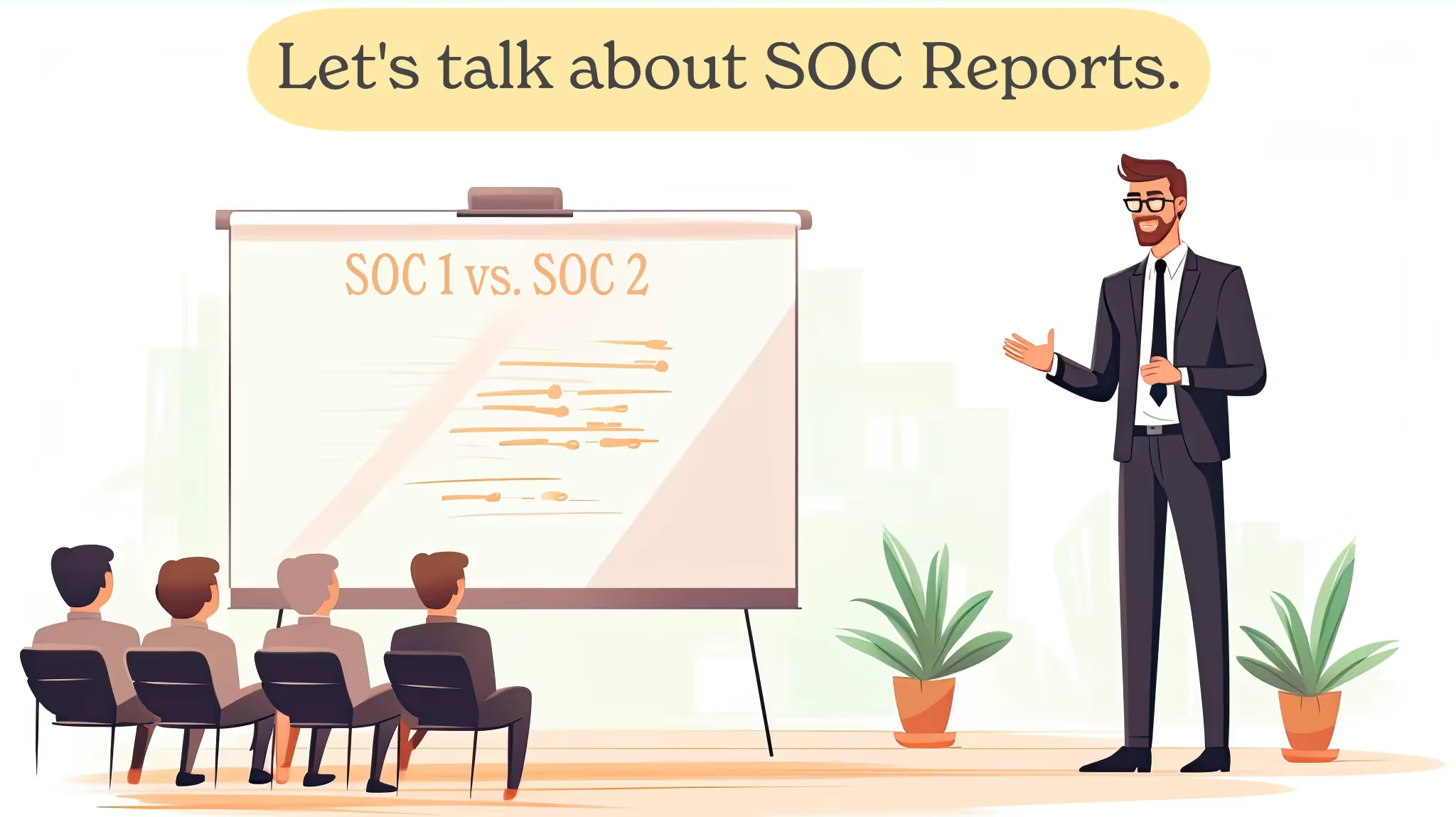
SOC 1 vs. SOC 2: Which Report You Need and Why
Many people scour the internet using the search term “SOC 1 vs. SOC 2 reports” when trying to understand compliance requirements for service organizations. To clarify, what is a SOC 1 and SOC 2 report? Broadly speaking, the difference between SOC1 and SOC2 lies in their focus areas and control objectives. SOC 1 Reports are designed for financial statement audits and focus on internal controls related to financial reporting. SOC 2 Reports are designed to evaluate a service organization's controls over non-financial information, such as data security, privacy, and confidentiality.
Key Differences Between SOC 1 and SOC 2
Understanding SOC 1 versus SOC 2 is critical for technology-based service organizations, cloud service providers, and HR management services. A SOC 1 report addresses financial controls, focusing on the design and operating effectiveness of service organization’s internal controls that impact a user entity’s financial statements. In contrast, a SOC 2 report examines trust services criteria—security, availability, confidentiality, privacy, and processing integrity—to ensure appropriate organization controls over customer data and information security.
The difference between SOC1 and SOC2 also extends to their use cases. SOC 1 is typically required when a company’s systems influence clients financial reporting, such as financial reporting software or financial operations systems. SOC 2 applies to a broader range of industries where demonstrating strong security controls, risk management processes, and data protection are key to regulatory compliance.
SOC 1 vs SOC 2 Audit Scope
A SOC 1 vs SOC 2 audit is performed to provide independent assurance of a service organization’s compliance status. External auditors assess whether appropriate controls are in place and operating effectively. A SOC 1 audit evaluates key control objectives related to financial reporting, while a SOC 2 audit measures a company’s information technology processes and adherence to the AICPA’s trust services criteria. Both a SOC audit performed for financial statements and a SOC 2 audit for organization’s security controls help service providers demonstrate compliance and provide digital assurance to their customers.
SOC 2 Deep Dive
However, it’s likely that if you’re searching “SOC 1 vs. SOC 2,” you are actually looking for the difference between the two types of SOC 2 Reports (i.e., “SOC 2 Type 1 vs. SOC 2 Type 2”). Because of this likelihood, we'll focus primarily on SOC 2 reports in this article, which is the second entry in Penti Knowledge Base Series.
SOC 2 reports assess compliance with the five Trust Services Criteria, namely: security, availability, processing integrity, confidentiality, and privacy. Every organization must comply with the first criterion, security, while compliance with the remaining criteria are dependent on how a business uses and processes data (You can learn more about choosing an appropriate framework in our partner Vanta's Trust Services Criteria Guide
There are two types of SOC 2 Reports that an organization may need: a Type 1 Report and a Type 2 Report. Both types assess how an organization aligns with the security controls and policies required by SOC 2, but the differences are as follows:
- SOC 2 Type 1 Reports measure an organization’s compliance at a single point in time.
- SOC 2 Type 2 Reports demonstrate ongoing compliance with SOC 2 controls; certification can only be granted after a 6-month observation period.
Choosing the right report will likely depend on the client (or partner) who has requested a report from your organization. However, many organizations begin with a Type 1 report and then enter the observation period for a Type 2 report. Proactive organizations do not wait for potential business to hinge on the completion of a SOC 2 Report, because doing so can stall sales cycles and result in lost business.
When Should I Get SOC 2 Certified?
In 2023, the average cost of a data breach in the United States was 9.48 million dollars, nearly twice the global average. Many companies — especially SMB's — are unprepared for cybersecurity attacks and find themselves in reactive positions regarding compliance when security issues inevitably occur. This lack of preparedness is usually attributed to a lack of resources or ignorance regarding cybersecurity posture. (For example, as of 2022, only 50% of SMB's had any formal cybersecurity plan, and some small businesses erroneously believed they were "too small to be a target." But regardless of whether a company has 5 employees or 500, the absence of cybersecurity measures not only makes the company more vulnerable to attack, the would-be attackers can succeed at a much higher speed and level of efficiency .
There is no excuse for a lack of compliance, especially now that the SEC has put forth a series of rules regarding cybersecurity risk management for publicly traded as well as private organizations. Additionally, many potential customers now require SOC 2 certification from vendors because 98% of businesses have a vendor that has been compromised within the last two years. Vendors should follow their own security protocols to reduce risk and protect themselves from malicious attacks that could also harm their clients.
It is best to get SOC 2 certified before you are faced with losing business opportunities due to lack of certification, or worse, before your own systems are compromised because of unprotected vulnerabilities in your cybersecurity posture. Becoming compliant ensures that your organization has taken the necessary precautions to protect its systems and data from unauthorized access.
How Long Does It Take to Get Certified?
The time required to become SOC 2 certified depends on several factors, including:
- The quality of controls already in place
- The type of report you are seeking (Type 1 or Type 2)
- Your team's expertise, availability, and resources
Organizations that take a "do-it-yourself" approach to compliance may spend up to 12 months (or longer) preparing themselves for an audit. A readiness assessment can help identify related control objectives and gaps in service organization’s controls relevant to compliance.Penti specializes in jump-starting your compliance journey and getting you to an audit-ready state in 1-to-3 months. If you want your compliance journey simplified and expedited, be sure to book a call with us It’s important to estimate and budget for both becoming compliant and the ongoing maintenance of your certification. Here are some costs to consider:* Compliance software* Security tools and services* Penetration tests* Engineers to remediate issues* Administrative cost of drafting new policies* Background checks for new employeesMany of the above costs can be bundled by providers (like Penti and can save as much as 50% of your budget as compared to utilizing multiple vendors. But regardless of the cybersecurity strategy you choose, it is the ethical responsibility of every organization to prioritize security. It is vital to protect your data as well as your customer's data. Not doing so can result in significant losses that could damage your reputation, your customers, and your business. Achieving and maintaining SOC 2 compliance can send a clear message that security is a pillar of your organization and that you are a trustworthy company.
FAQ
What are SOC 1 and SOC 2 reports?
SOC 1 reports focus on financial focus and internal controls affecting a user entity’s financial statements, while SOC 2 reports evaluate service organization’s controls over security, privacy, and processing integrity.
What is the difference between SOC 1 and SOC 2?
The key differences include the control objectives: SOC 1 targets financial reporting and related control objectives, while SOC 2 addresses information security, availability, confidentiality, and data protection.
Do you need both SOC 1 and SOC 2?
Some companies, especially those providing financial reporting software or processing sensitive data, need both a SOC 1 and SOC 2 report to satisfy customers, meet regulatory compliance, and provide independent assurance.
What is a SOC 1 report used for?
A SOC 1 report provides an attestation report on controls impacting user entities’ financial statements, ensuring trust in financial operations and supporting external auditors’ opinions.
What are the 5 criteria for SOC 2?
The criteria include security, availability, confidentiality, privacy, and processing integrity, all of which safeguard customer data and maintain a company’s compliance status.
What is the difference between Type 1 and Type 2 reports?
A Type 1 report examines the design of controls at a specified date, while a Type 2 report verifies their operating effectiveness over a specified period.
The Basics of SOC Reports: A Practical Guide to Security and Compliance
This article, part 1 of Penti’s “Knowledge Base Series,” provides a brief overview of SOC reports, including what is a SOC report, who creates them, and how they benefit organizations. Already familiar with SOC Reports? You can hop into our article about determining what kind of SOC report your organization needs "SOC 1 vs SOC 2").
What are SOC Reports?
To start with the basics, SOC (pronounced “sock”) stands for System and Organization Controls, also known as service organization controls report or service organization control. In business, a SOC document is used to provide assurance about an organizations internal controls, SOC compliance report, and SOC report security. Organizations do not generate SOC reports themselves; they are created after a third-party auditor conducts a financial audit and evaluates the operating effectiveness of controls.
Auditors examine SOC controls, including soc 1 service organization and soc 2 security, organization controls, and security controls that protect customer data and organization data protection controls. The SOC report summarizes the results of attestation, testing, and assessment over a period of time or at a point in time, depending on the types of SOC reports requested. SOC reports meaning and definition are clarified in this section to help organizations understand the purpose of these reports.
If an organization wants to achieve SOC compliance, they must first meet “trust services criteria.” These criteria, established by the American Institute of Certified Public Accounts, include the following:
- Security
- Availability
- Processing Integrity
- Confidentiality
- Privacy
Penti helps organizations meet trust services criteria by assessing and strengthening their “cybersecurity posture” with AI-enabled automated scans, manual penetration testing, and preparation for various compliance frameworks. (“Cybersecurity posture” refers to the overall strength of an organizations controls, protocols, and defense against cyberattacks.) Organizations receive guidance on best practices, SOC report controls, and organization's controls for service financial data to ensure internal controls and financial reporting are accurate and secure. This also helps users understand the organization's controls and provides additional assurance to management and customers. (See how Disco, acquired by Culture Amp, achieved continuous compliance with Penti.)
Why are SOC Reports Valuable?
Understanding what is SOC report used for is essential: SOC reporting helps demonstrate SOC integrity, effectiveness of controls, and organization data protection controls to customers, management, and stakeholders. It also mitigates risk by ensuring internal controls, financial audit processes, and SOC compliance are followed.
If your organization has encountered more companies requiring compliance certification, here’s why: data breaches, including identity theft, ransomware, and hacker attacks, hit an all-time high in 2023 for U.S. organizations. The statistics are staggering: “98% of organizations have a relationship with a vendor that experienced a data breach within the last two years.” A SOC report provides a document that shows how an organizations controls protect relevant financial statements, customer data, and organizations controls. So, it is not a matter of “if” your company will get targeted, but “when.” And it’s possible that it already happened.
Organizations that value responsibility and accountability should be proactive about protecting themselves and their customers. But how does an organization go about doing this? One option is to undergo a third-party audit (described above), which would generate a SOC report. The yield of such an assessment could help organizations identify and address any systemic inconsistencies and vulnerabilities, potentially avoiding data breaches and significant financial losses. This process also allows a specific auditor to evaluate effectiveness of controls and compliance.
A more immediate option, which you can try right now, is Penti’s free website header scan which can help test for SOC controls, enhancing SOC compliance and organization data protection controls. This scan checks the seven most common website header vulnerabilities that hackers can exploit to inject malicious code, disable your website, and steal your customers’ data.
According to the aforementioned report, “The number of ransomware attacks was two and a half times higher in September 2023 compared to September 2022,” and this upward trend will continue in 2024. The best course of action is to be proactive rather than reactive to lessen the risk of jeopardizing your business, customers, and reputation.
FAQ About SOC Reports
What is a SOC report?
A SOC report is a system and organization controls report used to assess organization controls, SOC compliance, and SOC report security.
What is SOC 1, SOC 2, and SOC 3?
SOC 1 report focuses on financial reporting, SOC 2 report evaluates security, availability, processing integrity, confidentiality, and privacy, while SOC 3 is a public-friendly summary.
What does SOC stand for in audit?
SOC stands for System and Organization Controls, also referred to as service organization control or service organization controls report.
Who needs a SOC report?
Organizations handling customer data, financial data, or providing services where trust, security controls, and SOC compliance are required may need a SOC report.
What's the difference between a SOC 1 and SOC 2 report?
SOC 1 reports evaluate internal controls over financial reporting, while SOC 2 reports focus on security, availability, processing integrity, confidentiality, and privacy.
What are SOC controls?
SOC controls are internal controls used to ensure data security, financial reporting accuracy, compliance, and adherence to trust services criteria. SOC controls are also evaluated during user assessment and testing.
How long is a SOC report valid?
SOC reports may cover a point in time or a period of time, depending on the types of SOC reports and the auditor’s assessment.